A clearer answer.
A better next step.
Noticed a smell, a stain or a leak? Find practical guidance for your Temple home — from the first question to the final repair.
 Start here
Musty odor without visible mold
A smell is a clue. Learn what to record, which observations help, and when a professional assessment makes more sense than another test kit.
Understand the next step →Inspection, testing and what each can tell you.
Start with assessment →02 / RESPOND“Something has leaked.”Organize the source repair and check affected materials.
Read the leak guide →03 / PLAN“I need to compare quotes.”Separate assessment, cleanup and rebuilding costs.
Use the cost worksheet →Find the question
you came here with.
Search a room, symptom or project stage.
Every guide links to a practical next step.
Musty odor without visible mold
A musty smell deserves investigation even when the walls look clean, but smell alone cannot tell you whether mold is present or where it is growing. The most useful approach is to narrow the pattern: which room, which conditions, and which accessible materials are involved. That record helps distinguish a damp stored item from a building leak and makes any professional investigation more focused.
Read the guide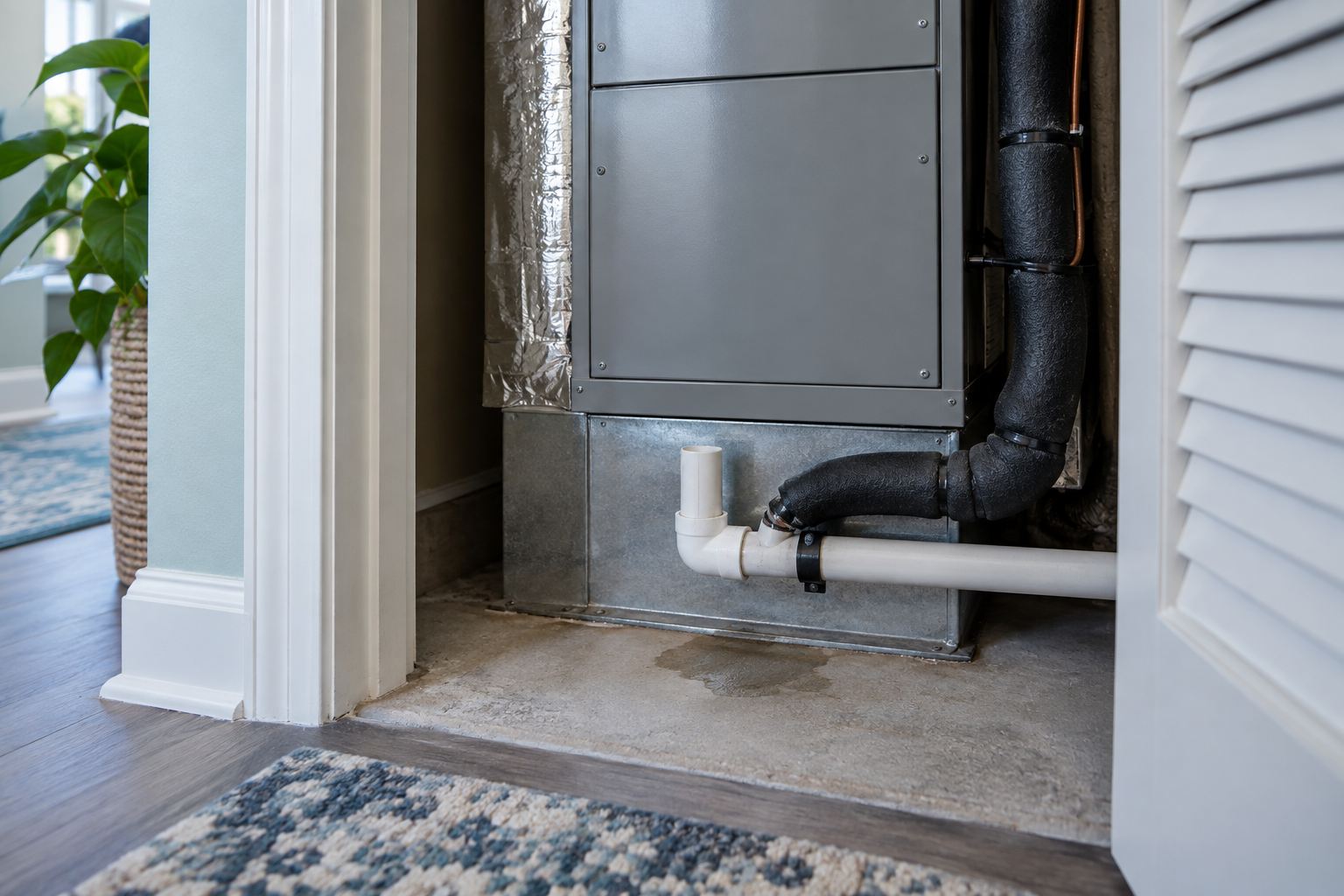
AC condensation and mold concerns
Water is a normal byproduct of air conditioning, but it should follow a controlled path out of the equipment. A wet ceiling, sweating duct, or damp closet beside the air handler means that water is reaching somewhere it does not belong. The useful first question is where that path changed, because fixing a drain, repairing insulation, and assessing wet building materials are different jobs.
Read the guide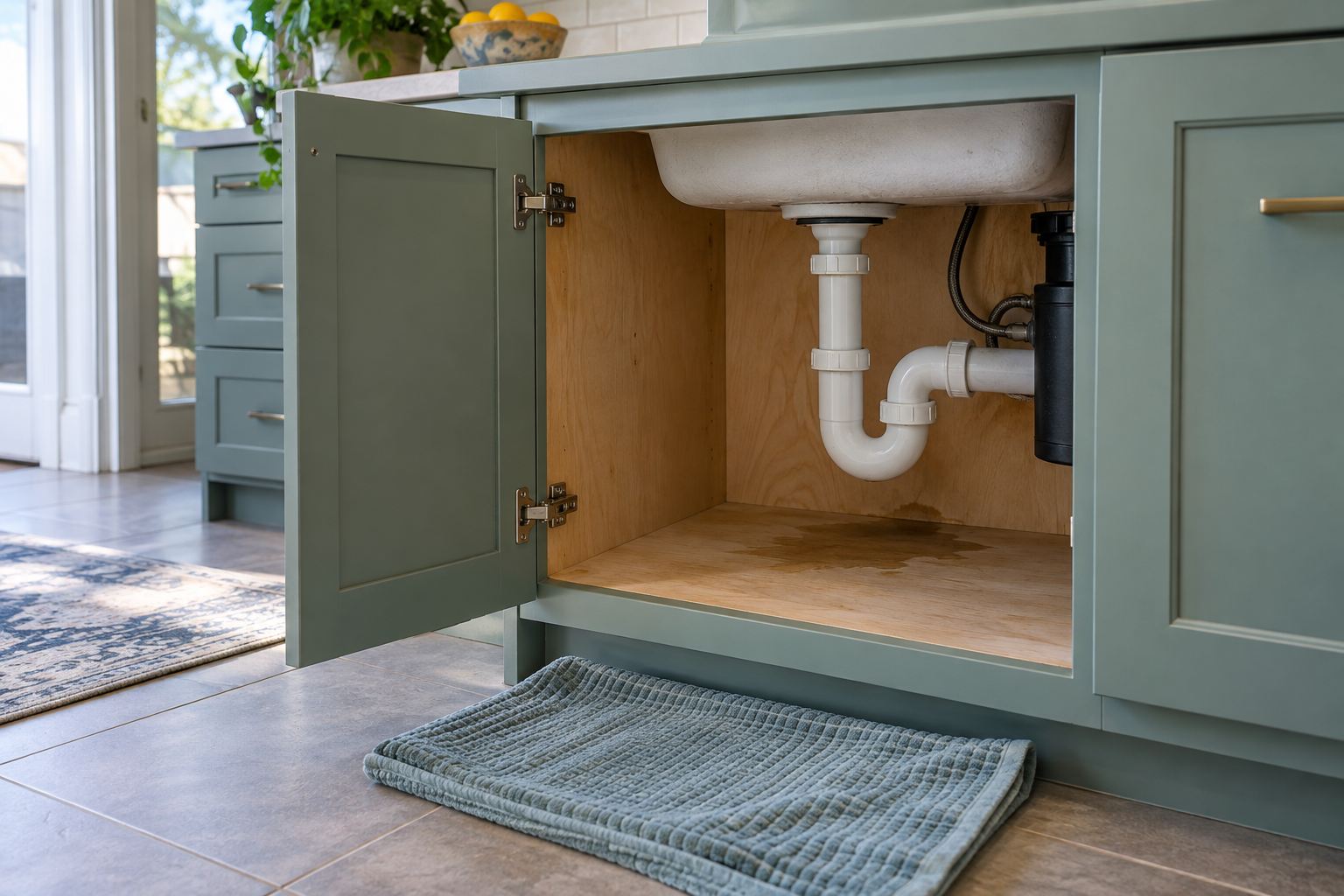
Mold after a plumbing leak
After a plumbing leak, stopping the water is only the first decision. The next is whether the affected walls, cabinets, and floor can be dried and retained or need additional cleanup and removal. A useful recovery plan separates the plumbing repair from material assessment, mold work when needed, and rebuilding, with evidence passed between each stage.
Read the guide
Mold inspection vs. testing: which should come first?
You notice a stain or a musty smell, search for help and find packages built around a number of samples. But samples may not answer the first question: where is the moisture coming from, and which materials are affected? Start with the decision you need to make about the property, then choose the investigation that can support it.
Read the guide
Mold removal cost in Temple: how to compare the complete project
Two mold-removal quotes can describe the same room and still pay for very different work. One may cover removal of damaged drywall, while another includes assessment, protection of adjoining rooms and a return visit—but neither includes rebuilding. Before comparing totals, make sure you understand what each price actually buys.
Read the guide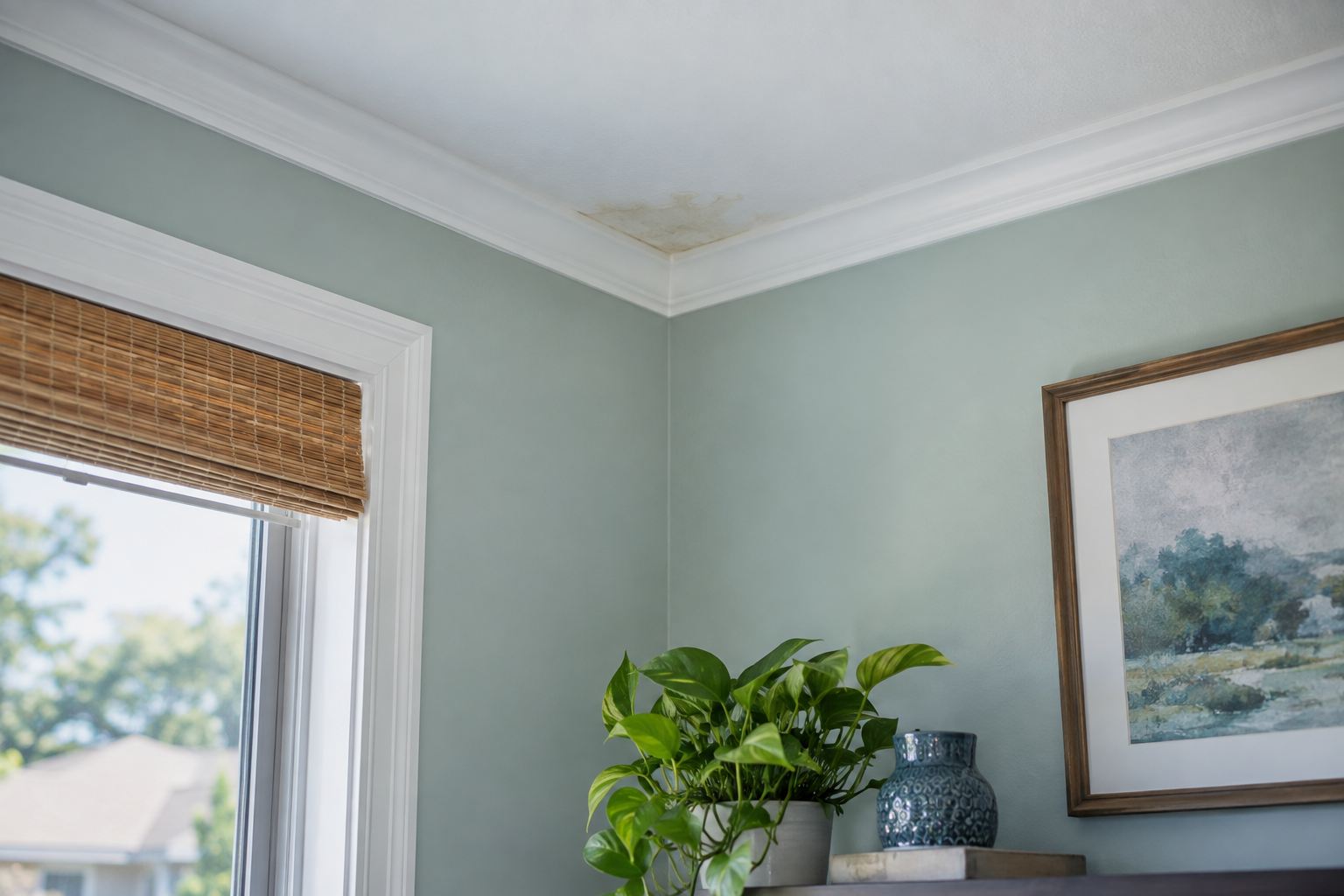
Why mold may return after remediation
A new mark or musty smell after remediation deserves a fresh look, but it does not immediately tell you what went wrong. The moisture source may have returned, another source may have developed or the observation may be outside the original work boundary. Compare the new condition with the project records before assuming either failed remediation or harmless staining.
Read the guide
Mold inspection cost: what should the fee include?
An inspection quote is hard to judge when one provider offers a short visit and another includes a report, samples and follow-up advice. The difference may reflect the question being investigated rather than a cheaper or more expensive version of the same service. Start by defining what you need to learn about the property.
Read the guide
Mold testing cost: samples, lab fees and the answer you are buying
A testing package can produce a stack of laboratory results without resolving why a room smells damp or what needs repair. Before comparing sample prices, ask what decision the results are supposed to inform. That question is the best protection against paying for tests that add little to the investigation.
Read the guide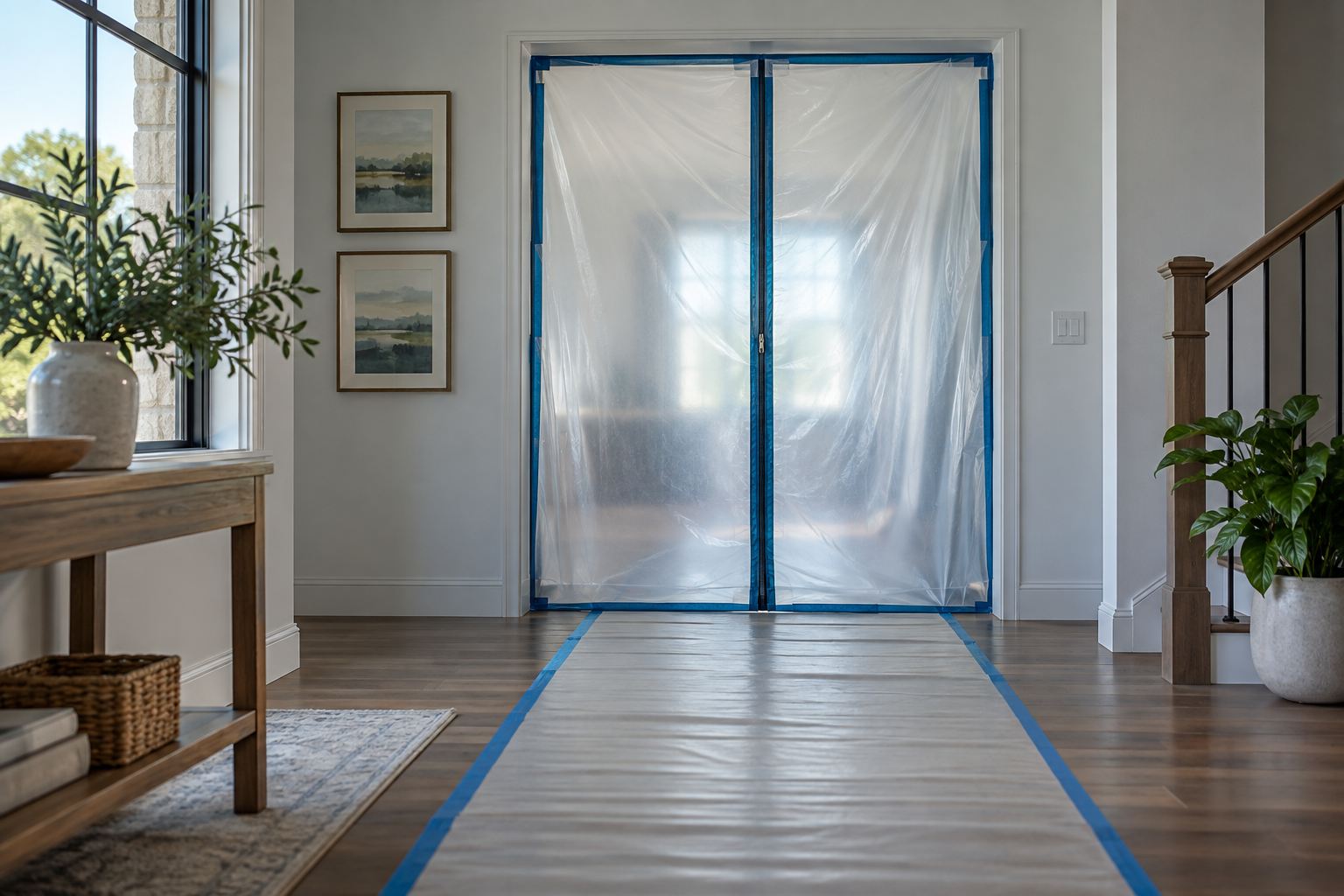
The mold remediation process: decisions from discovery to repair
A crew removing damaged drywall is only one part of a mold project. Someone also needs to establish why the area became wet, decide how far the work extends and confirm when reconstruction can begin. Understanding those decisions makes it easier to compare proposals and keep a repair from stopping halfway through.
Read the guide
How long does mold remediation take? Plan around the actual work
The first available appointment and the day your room is ready to use are different dates. Between them may be an assessment, source repair, cleanup, drying, completion checks and reconstruction. A useful timeline explains those dependencies instead of promising the same number of days for every property.
Read the guide
Choosing a mold remediation contractor in Texas
Two mold bids can describe the same room and still cover very different jobs. One may include assessment, controlled removal and completion documentation, while the other pays only for treatment of the visible surface. Before comparing totals, identify who is responsible for investigating the problem, correcting the water source and deciding when the work is complete.
Read the guide
Questions to ask before a mold inspection
A mold inspection is most useful when it answers a decision you actually face: whether a leak affected hidden materials, why an odor keeps returning or what work belongs in a remediation scope. Booking “a mold test” without defining that question can leave you with laboratory numbers and no clear next step. Use the first conversation to agree on the investigation, its limits and the written result you will receive.
Read the guide
Mold questions before buying a house
A repaired ceiling stain does not tell a buyer whether the leak was fixed, the surrounding materials dried or concealed damage evaluated. Neither does a reassuring air sample answer every question about the building. When a Temple property has a moisture history, use the inspection period to connect observations, repair records and any targeted assessment before deciding what uncertainty you are willing to accept.
Read the guide
Preparing mold and moisture records before a sale
A buyer looking at a repaired wall needs more than a statement that the problem was handled. A clear record can show what happened, what work followed and what remains uncertain without claiming more than the evidence supports. Before listing a Temple home, organize moisture and remediation information while invoices, photographs and the people who performed the work are still easy to locate.
Read the guide
How to read a mold inspection report
A mold report can contain clear photographs and precise laboratory numbers while still leaving the homeowner unsure what to do. Start with the question the assessor was hired to answer, then follow the connection between observations, limitations and recommendations. The most useful reading is not a search for the scariest word; it is a check that the proposed next step follows from the evidence collected at your property.
Read the guide
Preparing your home for a mold inspection
The day before a mold inspection is a good time to organize records and access, not to scrub away the condition you want evaluated. Give the assessor a clear history, explain any recent changes and confirm what the appointment includes. Good preparation helps the visit answer the property question without creating unnecessary disturbance or obscuring useful evidence.
Read the guide
Preparing for mold remediation
Remediation changes how a household uses the building, sometimes before any damaged material is removed. Rooms may be isolated, normal routes blocked and belongings handled differently. Prepare around the written work plan so daily life, source repairs and the eventual return to use do not conflict with the cleanup itself.
Read the guide
What happens after mold remediation?
The crew has removed the affected material and the room looks ready for new drywall, but several decisions may still remain. Completion of cleanup, post-remediation assessment, correction of the water source and reconstruction are separate milestones. Before the opening is closed, find out which ones have been documented for your project and who is responsible for the rest.
Read the guide
Bathroom mold: moisture, surfaces & hidden damage
Bathroom mold can be a small cleaning problem, a ventilation problem, or the visible edge of a leak inside a wall. The useful distinction is not whether a spot looks black or green; it is what is wet, why it stays wet, and whether the affected material is still sound. Start with those questions before buying another cleaner or agreeing to replace the entire shower.
Read the guide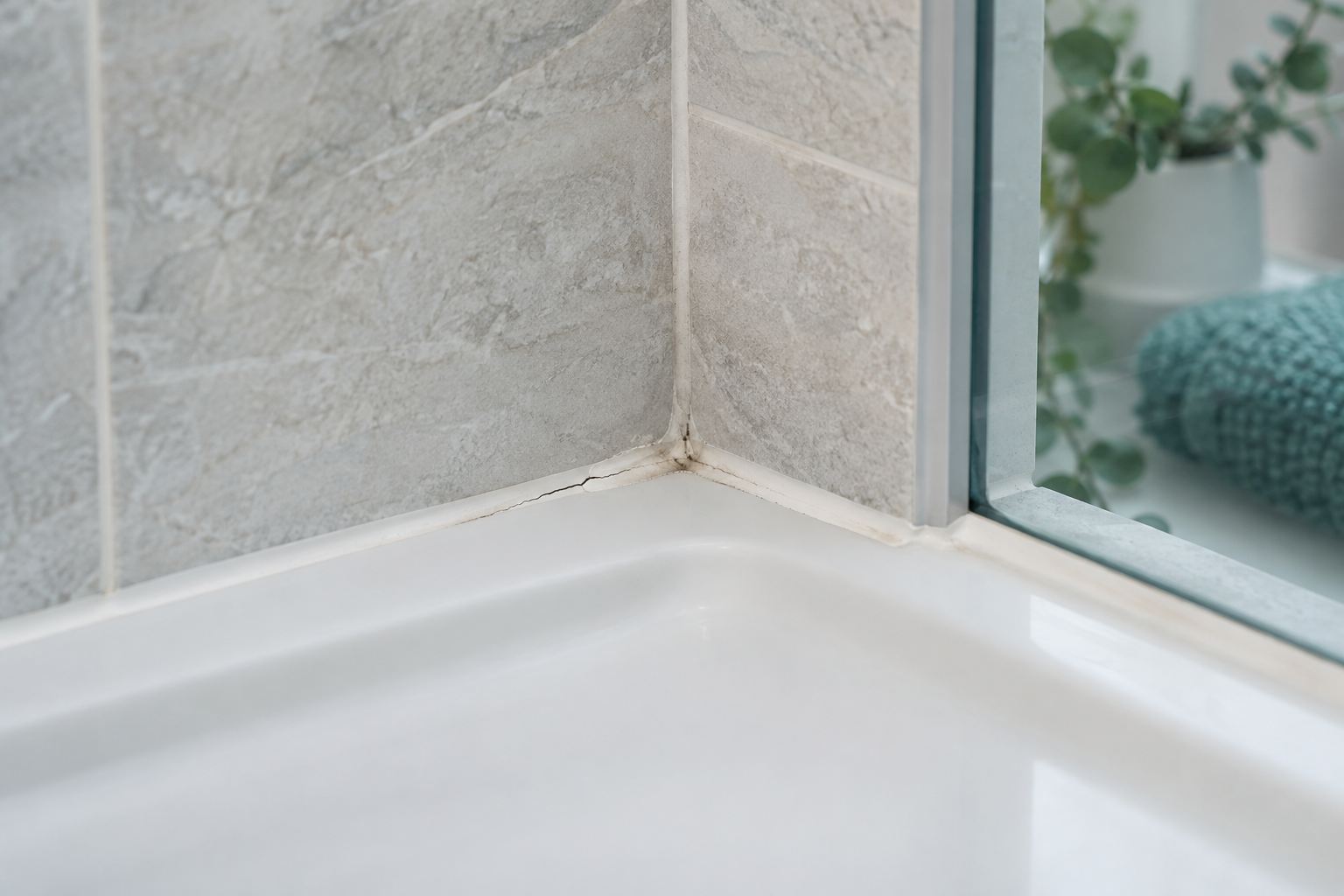
Shower mold and failed sealant
Dark marks along a shower joint do not tell you whether the problem stops at the sealant. Some joints need ordinary maintenance; others are clues to movement, persistent wetting, or damage behind the finish. Replacing caulk makes sense only after you understand the joint's condition and know that the adjoining materials are ready to be sealed again.
Read the guide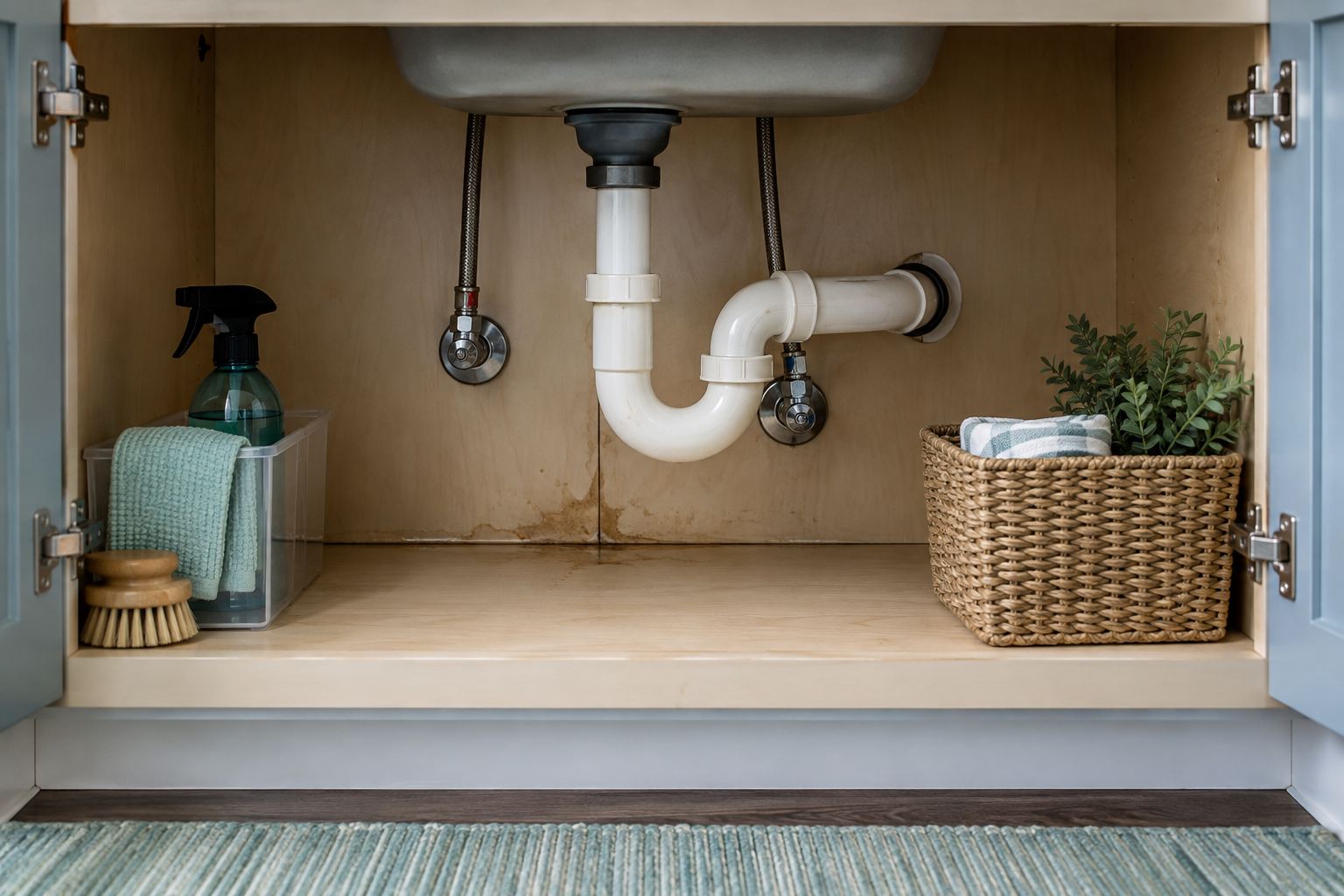
Mold under a kitchen sink
A musty sink cabinet deserves more than a fresh shelf liner. Water can come from a supply connection, a drain, the sink rim, an appliance hose, or a spill, and each leaves a different repair question. Before cleaning, identify what is wet and whether the cabinet base is still a usable material or has become part of the damage.
Read the guide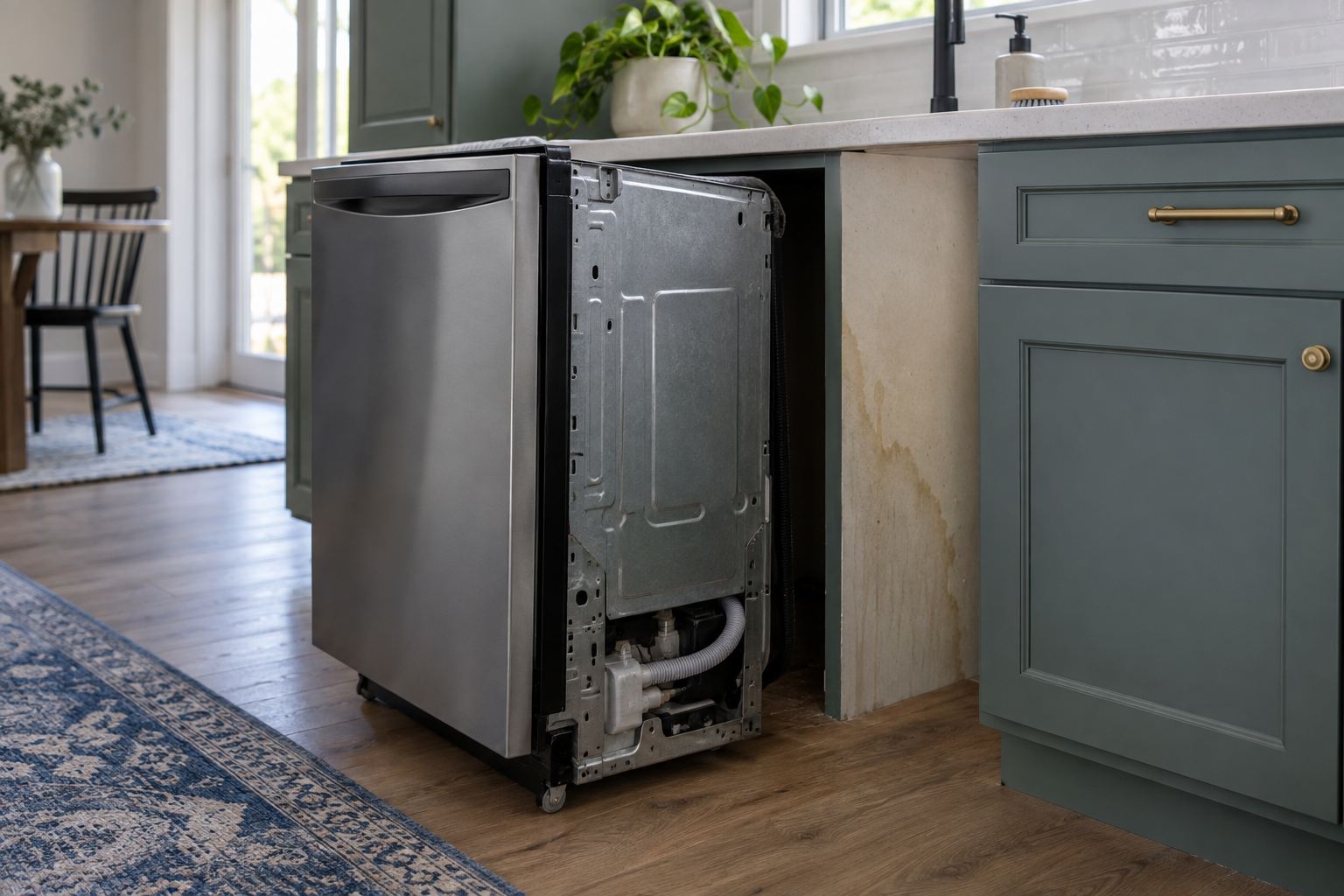
Mold behind a dishwasher
A dishwasher leak can wet materials you cannot see from the kitchen: the cabinet sides, the wall behind the appliance, and layers below the finished floor. Discovering a musty odor or a stain beside the machine does not establish the full extent of damage. The first useful step is safe access coordinated with the right trade, followed by a clear distinction between repairing the appliance and addressing the materials it wetted.
Read the guide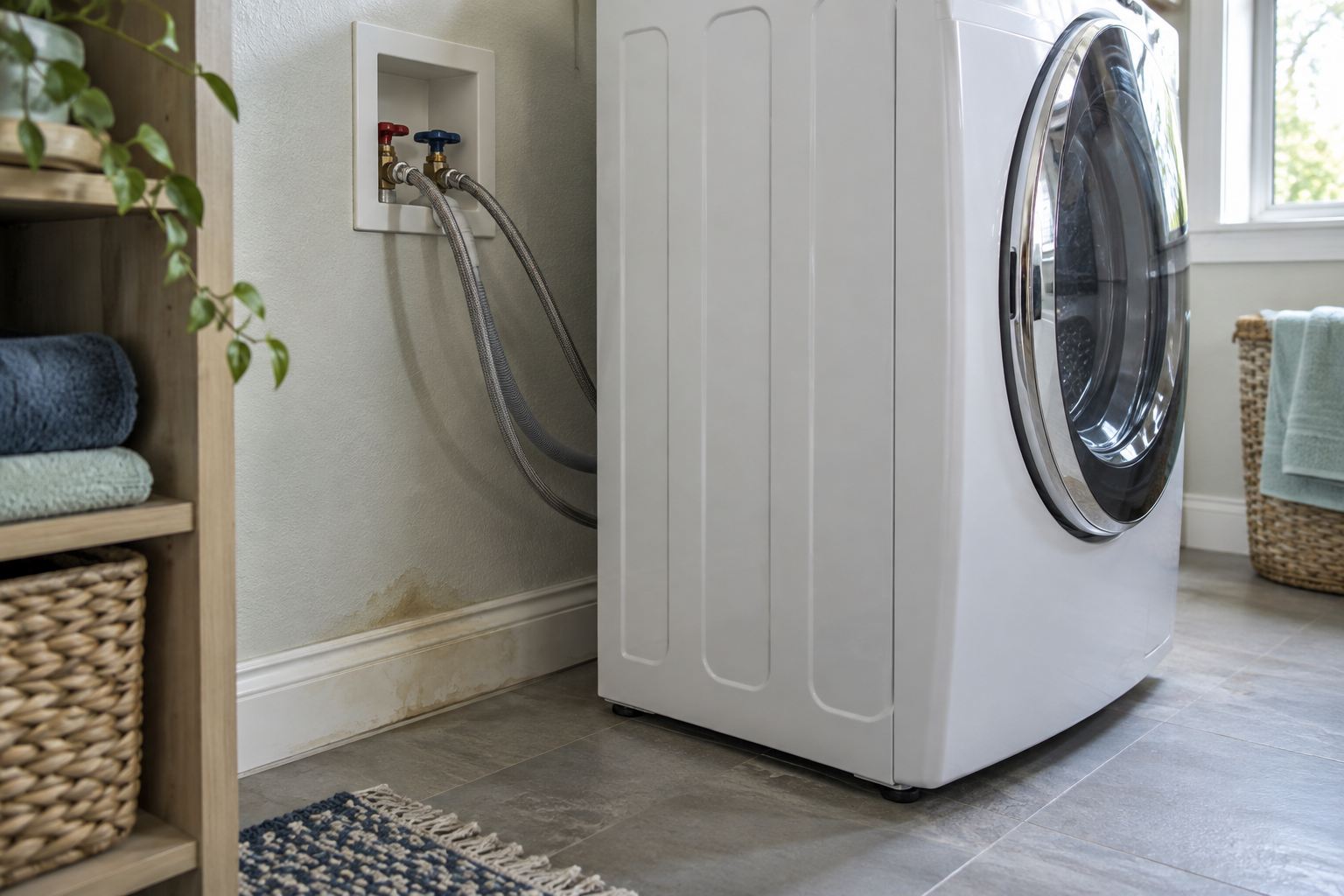
Laundry room mold and moisture
A laundry room can become damp from a leaking washer, a drain problem, moisture from drying clothes, or conditions elsewhere in the house. Treating every spot with the same spray overlooks those differences. The most useful investigation connects the moisture pattern with appliance use, then checks the walls and floor that received the water.
Read the guide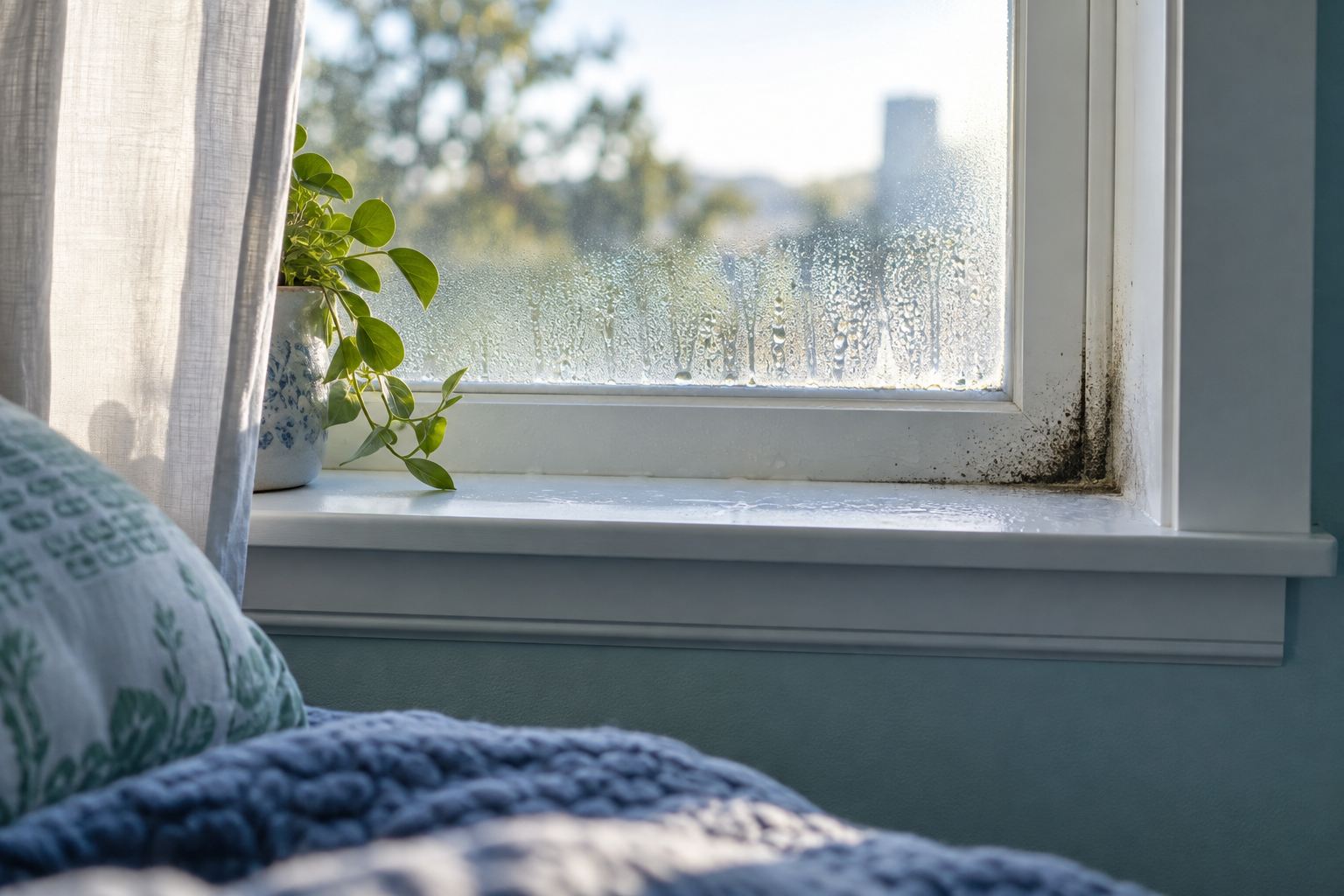
Mold around windows: condensation or a leak?
Moisture around a window can come from indoor air meeting a cold surface, rain entering the opening, or water arriving from another part of the wall. The dark marks alone cannot distinguish those causes. Map when the area becomes wet and which surfaces are affected before choosing between a small cleanup, a humidity adjustment, and a building-envelope repair.
Read the guide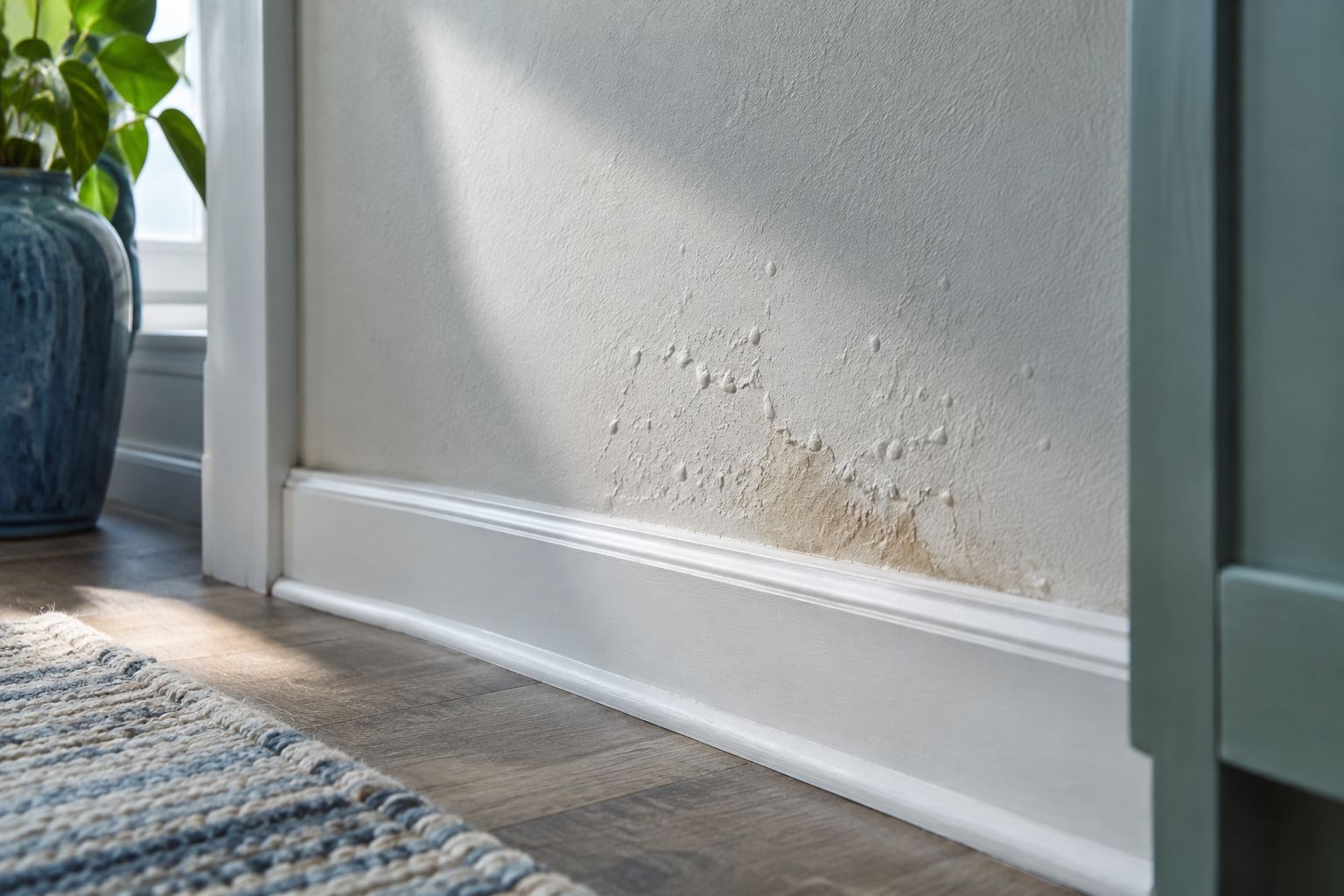
Mold on drywall: assessing the whole assembly
A spot on painted drywall is only one visible surface of a layered wall or ceiling. The paint, facing, core, cavity, insulation, and framing may have different conditions after a leak. Deciding whether to clean or remove board requires a water history and material assessment, not just a judgment about whether the mark can be wiped away.
Read the guide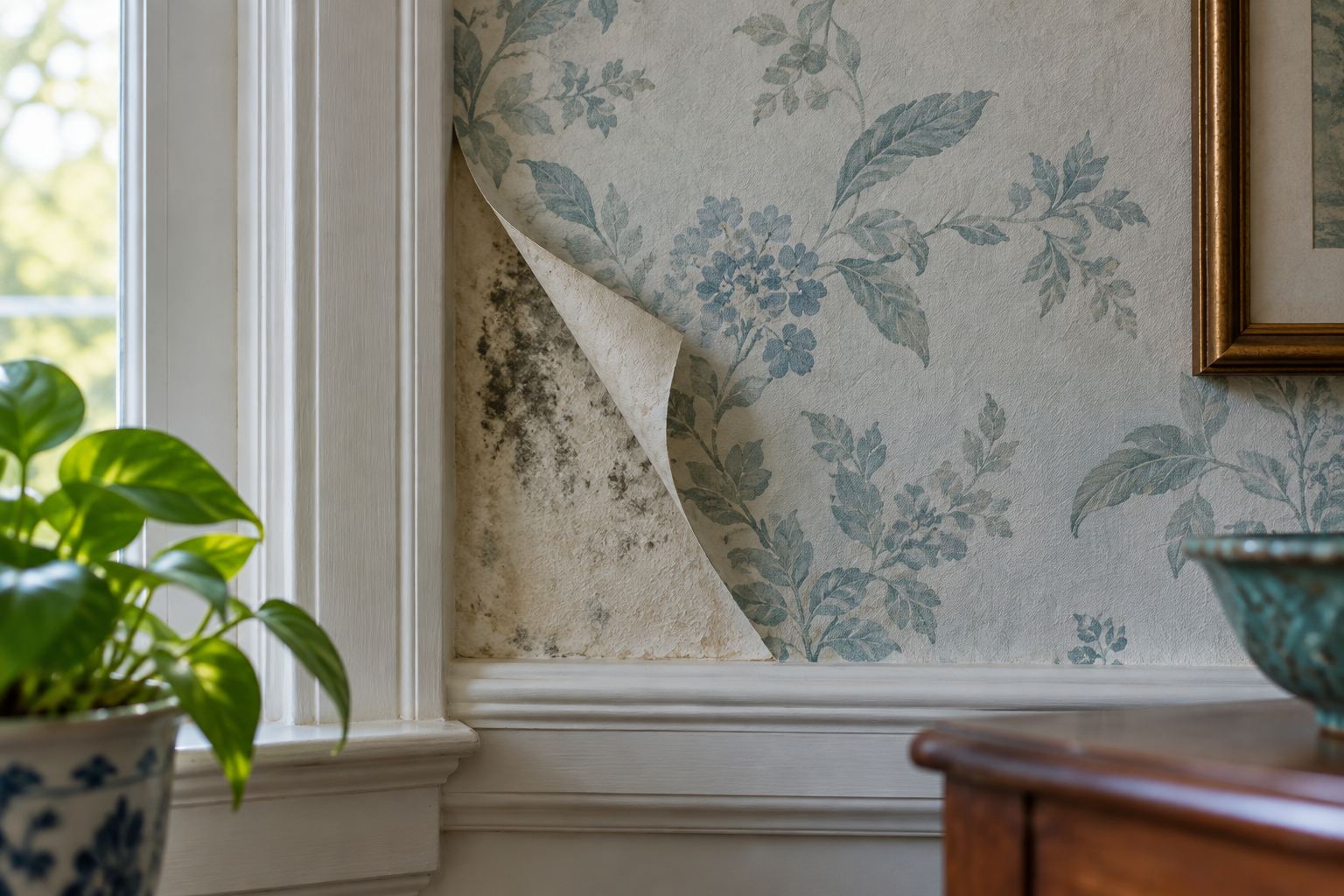
Suspected mold behind wallpaper
Lifting wallpaper and a musty smell are reasons to investigate moisture, but they do not prove what is behind the finish. Peeling off a large section can expose damaged material and spread debris before anyone has planned the work. A better first step is to document the pattern, identify plausible water sources, and arrange limited access that answers a specific question.
Read the guide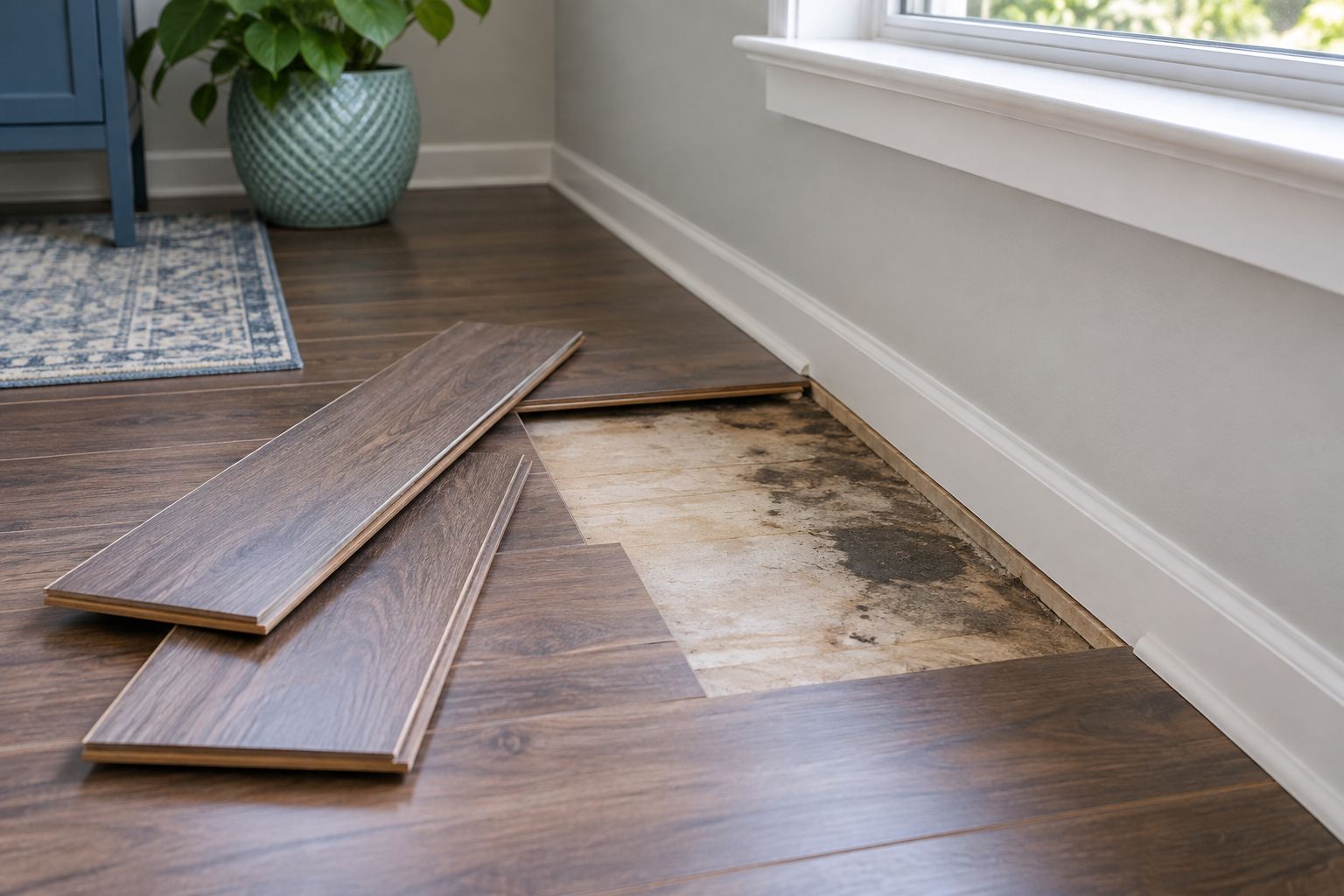
Mold under flooring after water damage
A floor can look dry from above while the layers beneath it still need attention. After a leak, the useful question is not simply whether the finish survived, but where water traveled and which materials were affected. Before approving cleaning or replacement, identify the complete floor assembly and the evidence used to decide what can remain.
Read the guide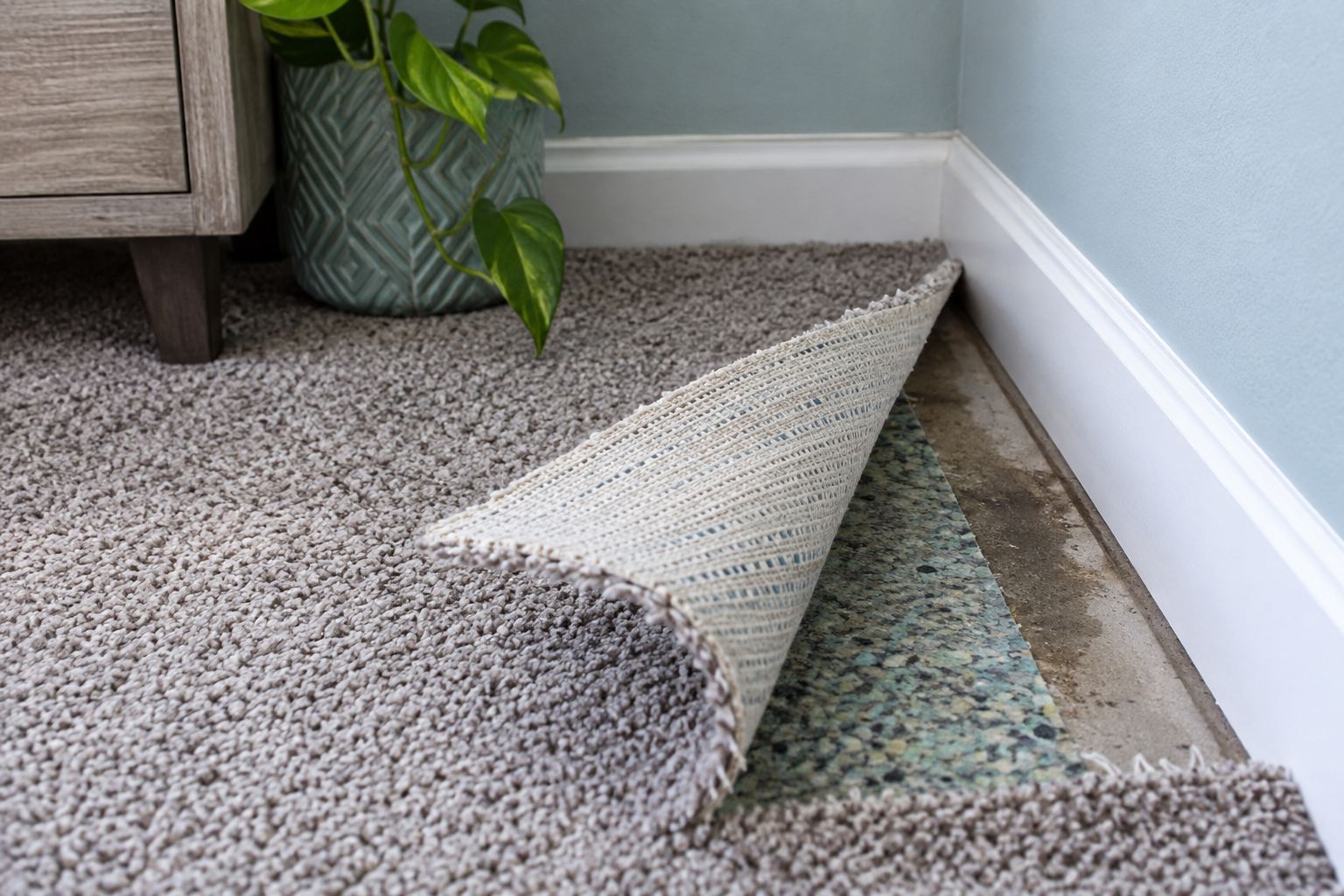
Mold in carpet and padding
Carpet that feels dry on top may still have an unresolved problem in its backing, pad, or supporting floor. Whether it can remain after water damage depends on the water source, the material condition, and whether the entire assembly can be evaluated and restored. A fresh scent or a successful surface cleaning does not answer those questions.
Read the guide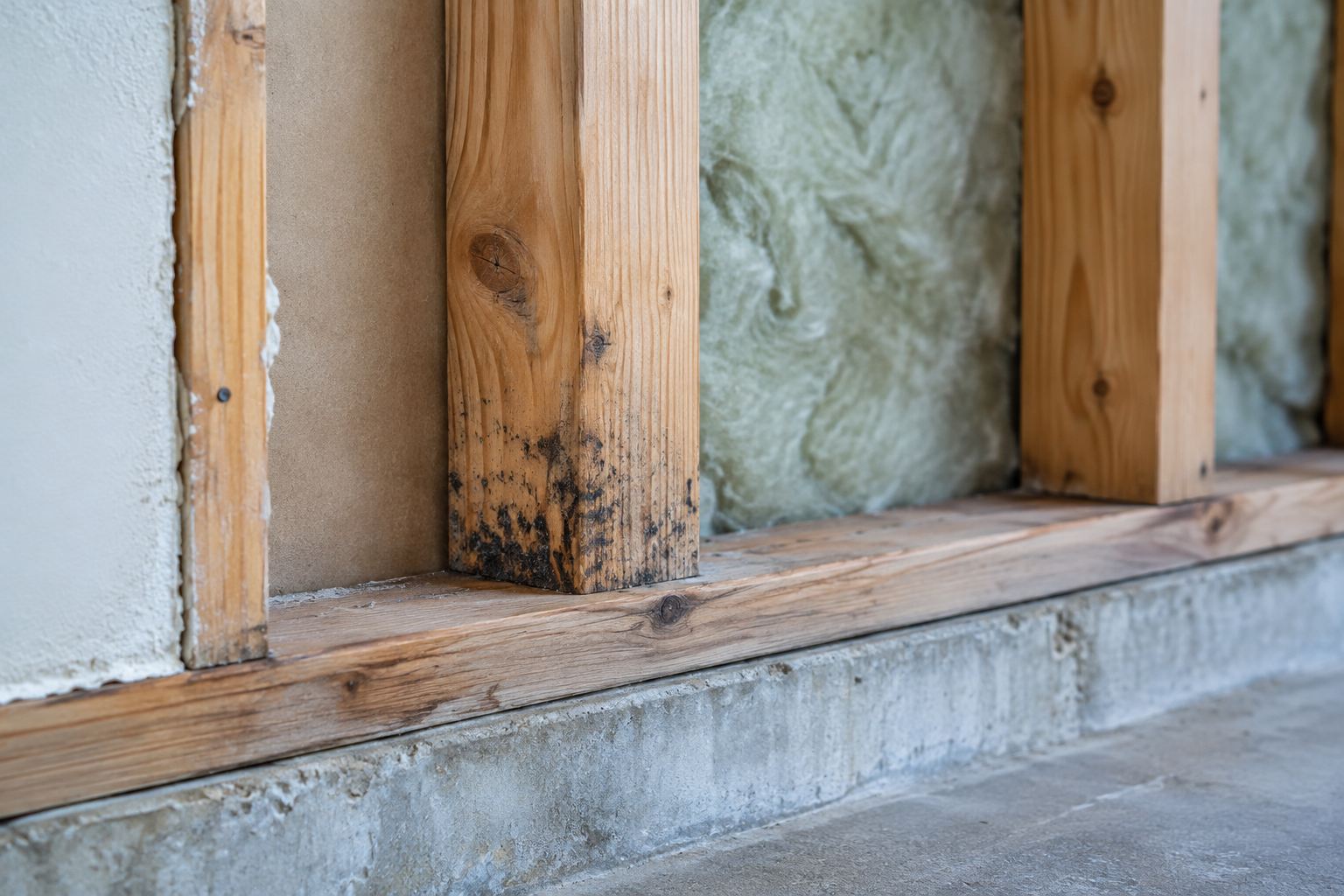
Mold on wood framing
Discolored framing raises two separate questions: what is on the wood, and whether the wood remains structurally sound. Surface growth, staining, and decay are not interchangeable findings. Before accepting a proposal to coat, clean, or replace framing, ask how the water source, material condition, and required access were evaluated.
Read the guide
Mold in closets and stored belongings
A musty closet may have damp belongings, a localized wall problem, or moisture conditions shared with the adjoining room. Clearing it out is useful only if the investigation separates those possibilities. Before washing every item or buying a dehumidifier, compare the closet's surfaces, contents, and water history so the response fits the actual problem.
Read the guide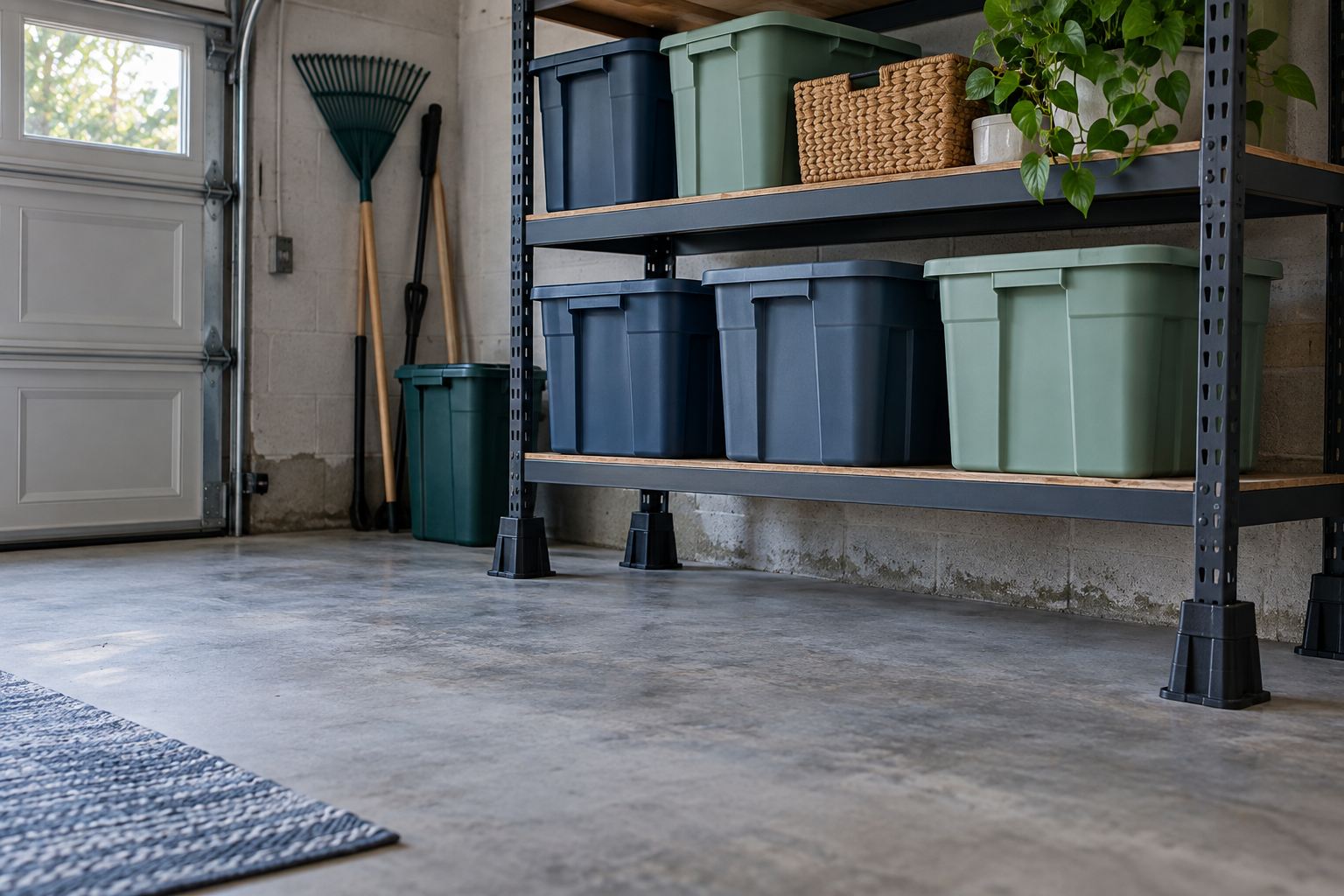
Mold in a garage
A garage can have rainwater at the door, damp stored belongings, a plumbing leak, or moisture moving through an adjoining wall. Because it is often unconditioned and used for storage, it needs a different investigation from a bedroom. Start by mapping water and materials, then pay particular attention to the boundary between the garage and occupied rooms.
Read the guide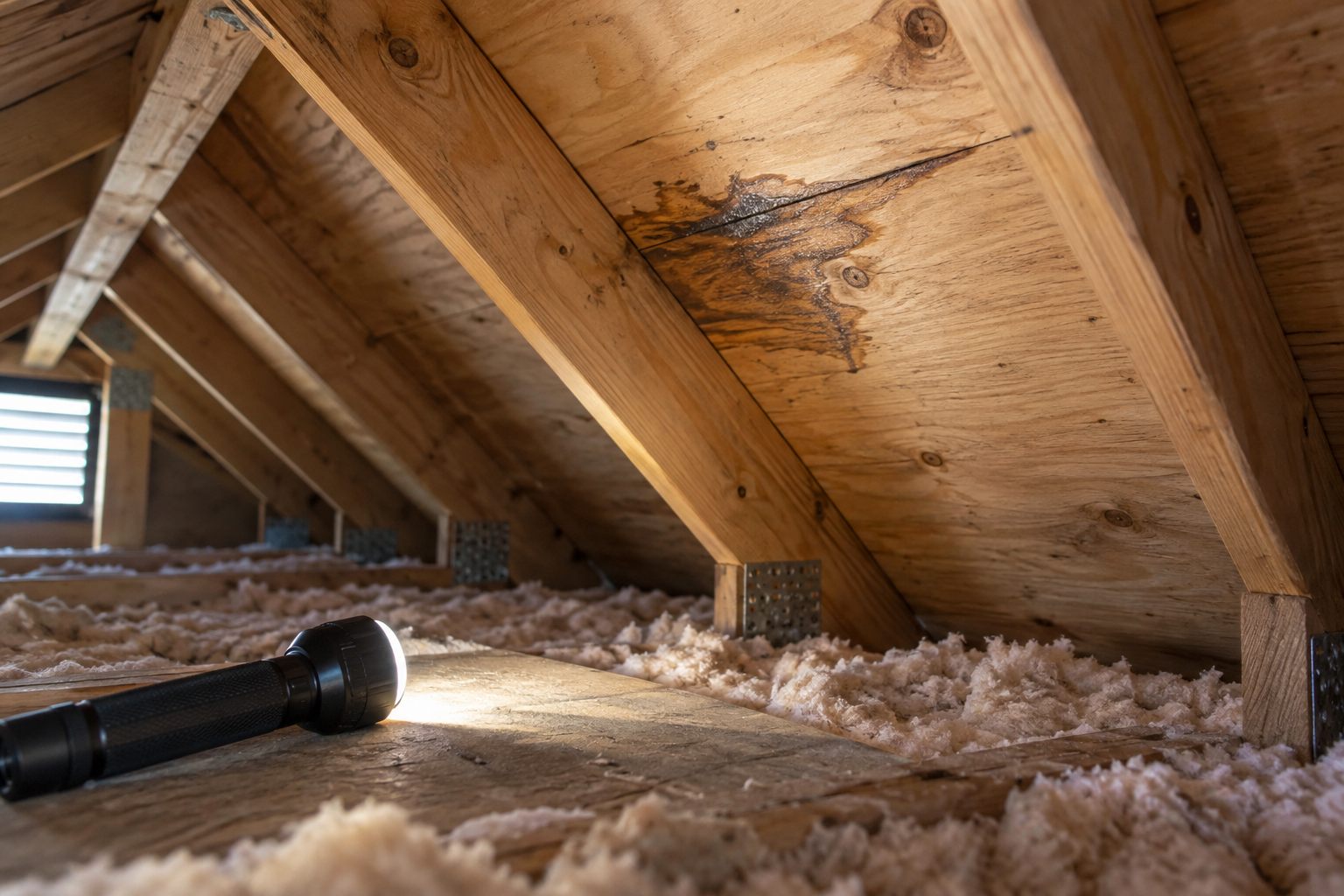
Mold after a roof leak
Stopping a roof leak does not automatically resolve the wet insulation, framing, or ceiling below it. Water entry and interior recovery are separate parts of the same project, and the handoff between them is where important work can be missed. Start with safe access and source control, then establish which materials became wet and what evidence is needed before repainting.
Read the guide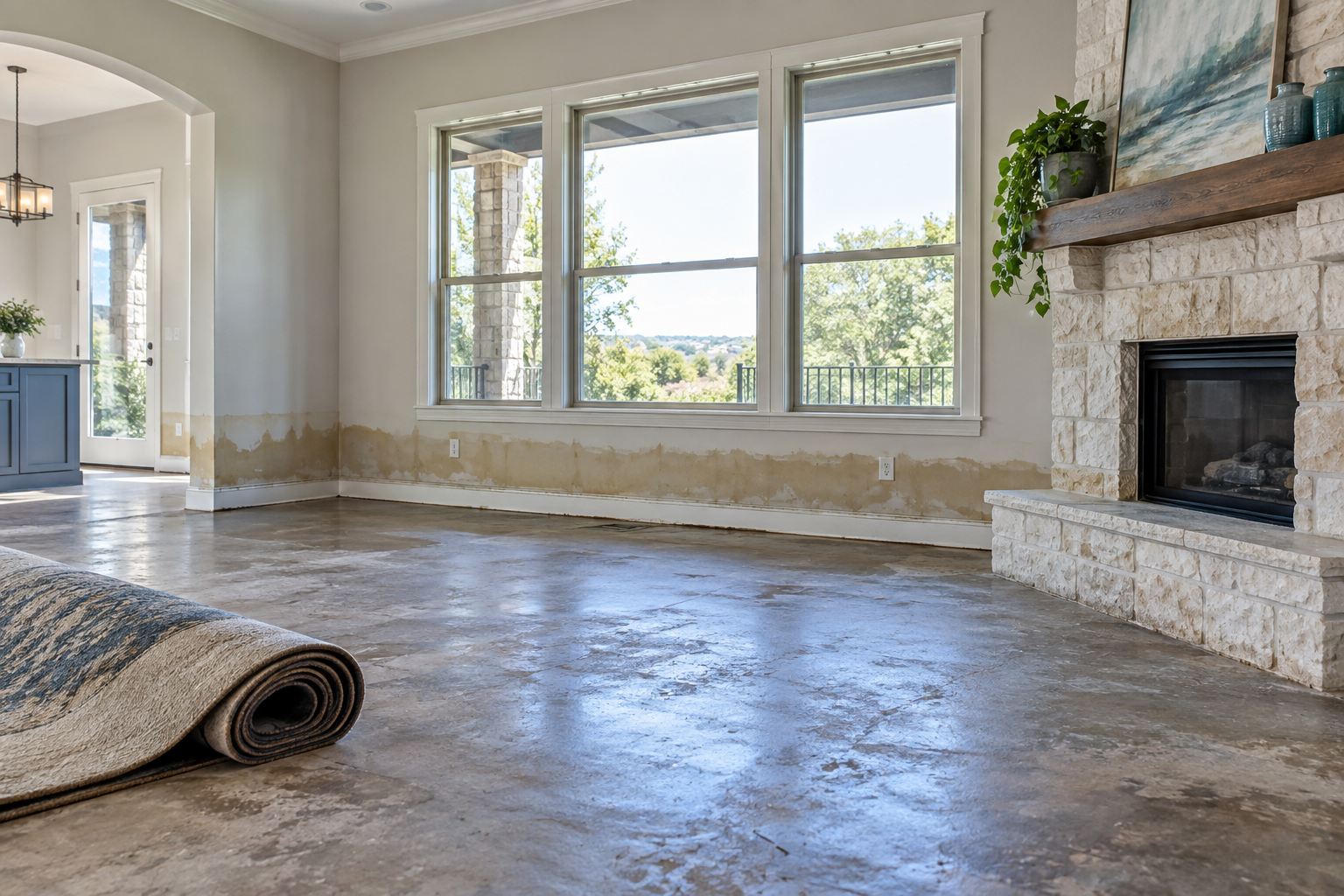
Mold after flooding: organize recovery before rebuilding
When floodwater recedes, a room may look ready for cleanup while still containing unsafe electrical systems, damaged materials and contamination. Mold is one part of that recovery, not the first hazard to rule out. Begin with safe access, then connect material removal, drying and repair to the type of water that entered the property.
Read the guide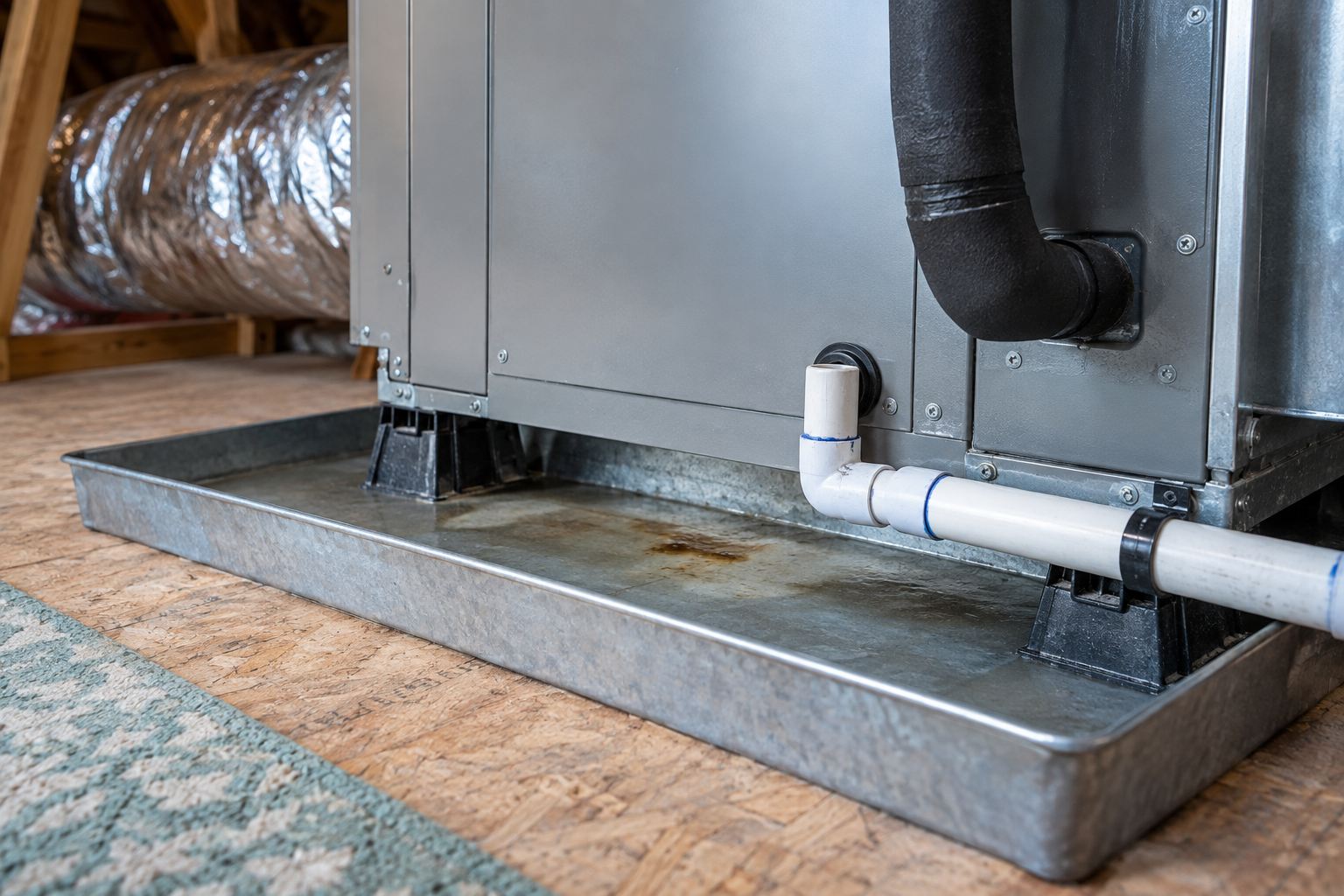
HVAC drain pan moisture and mold
A drain pan is supposed to receive water, so moisture inside it needs to be interpreted in context. Slime, residue, persistent standing water, or overflow may signal a maintenance or drainage problem, but none of those observations alone describes the condition of the entire HVAC system. A useful service visit establishes which pan is involved, why water is remaining there, and whether anything outside the equipment has been damaged.
Read the guide
Humidity control in Temple homes
A home can feel cool and still have a moisture problem. It can also have a damp wall while the room's humidity looks ordinary, because a local leak and moisture in the air are different conditions. Before buying equipment or changing thermostat settings, measure a pattern and identify which kind of problem you are trying to solve.
Read the guide
Bathroom ventilation and mold prevention
A bathroom fan can run every day while moisture still lingers on walls, ceilings, and stored towels. Noise proves that something is operating; it does not prove that air reaches the outdoors or that the installed system suits the room. Evaluate the complete exhaust path, then separate ventilation problems from leaks before replacing finishes or adding a more powerful fan.
Read the guide
Attic ventilation and moisture
Damp roof decking does not automatically mean an attic needs more vents. Water can arrive through the roof, through indoor air leakage, from an exhaust duct, or around cooling equipment, and those paths call for different repairs. Before approving a ventilation upgrade, ask for a map of the observed moisture and an explanation of how the proposed work addresses its source.
Read the guide
Crawl space moisture control
A damp crawl space may be receiving rainwater, moisture from exposed soil, a plumbing leak, or condensation on cold equipment. Those sources can overlap, which is why a ground cover or dehumidifier should be part of a diagnosis rather than the first automatic purchase. For a pier-and-beam home in the Temple area, the practical goal is a dry, inspectable space whose drainage and equipment can continue to be maintained.
Read the guide
Choosing and placing a dehumidifier
A dehumidifier can help control moisture in the air, but choosing one by the largest square-footage claim on a box is an unreliable way to solve a damp-room problem. Capacity, operating conditions, airflow, and drainage all affect whether the unit can do its job. Start by establishing the moisture pattern, then choose equipment you can place, drain, and maintain in the actual space.
Read the guide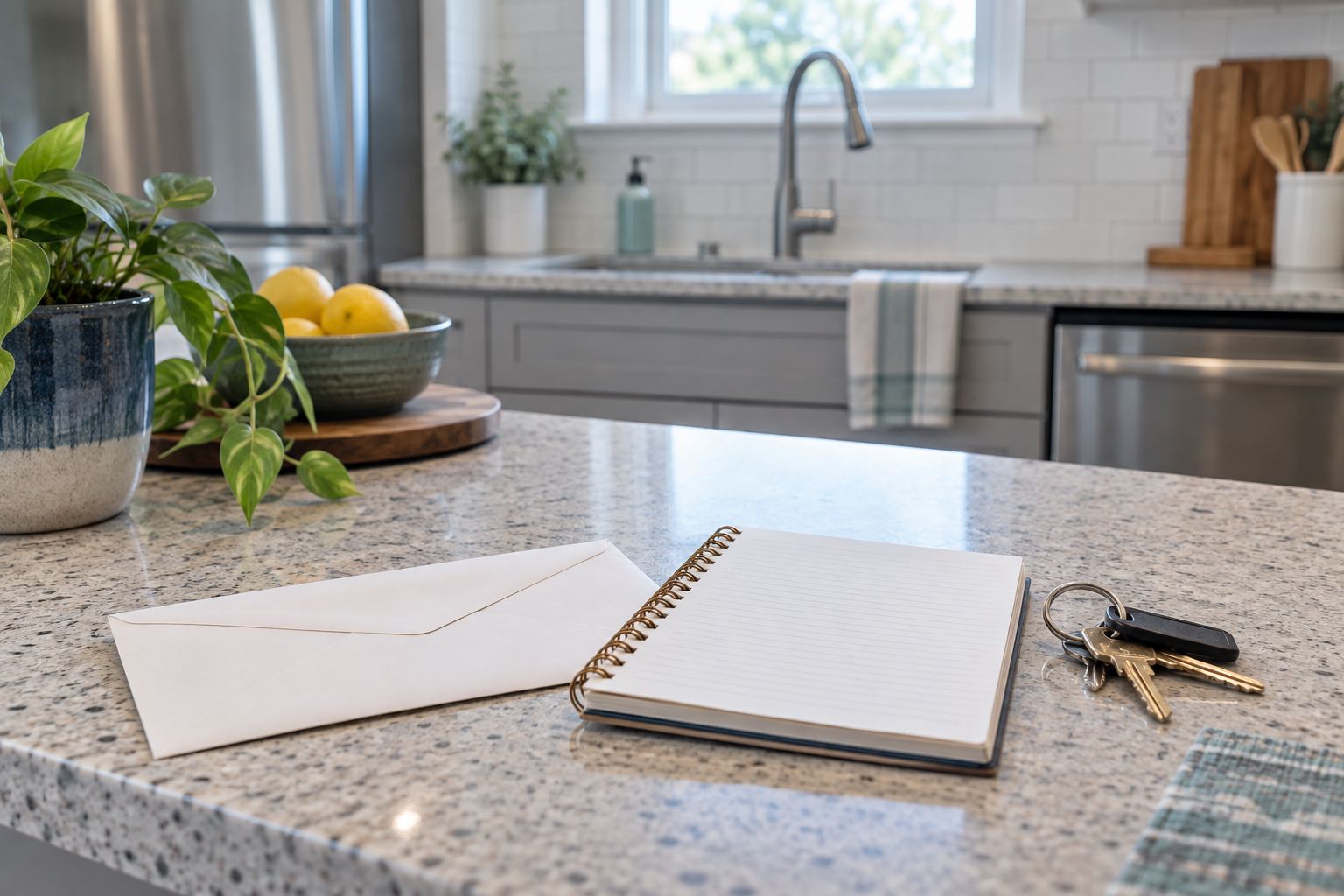
Documenting mold concerns in a rental property
When you find a suspicious patch, persistent dampness, or a musty odor in a rental, a clear record can help the owner arrange the right repair and preserve the facts if the issue remains unresolved. Describe what you can observe, report it through the proper channel, and track what happens next. Texas repair rights involve notice and other conditions, so a photograph alone is not a substitute for following the applicable process.
Read the guide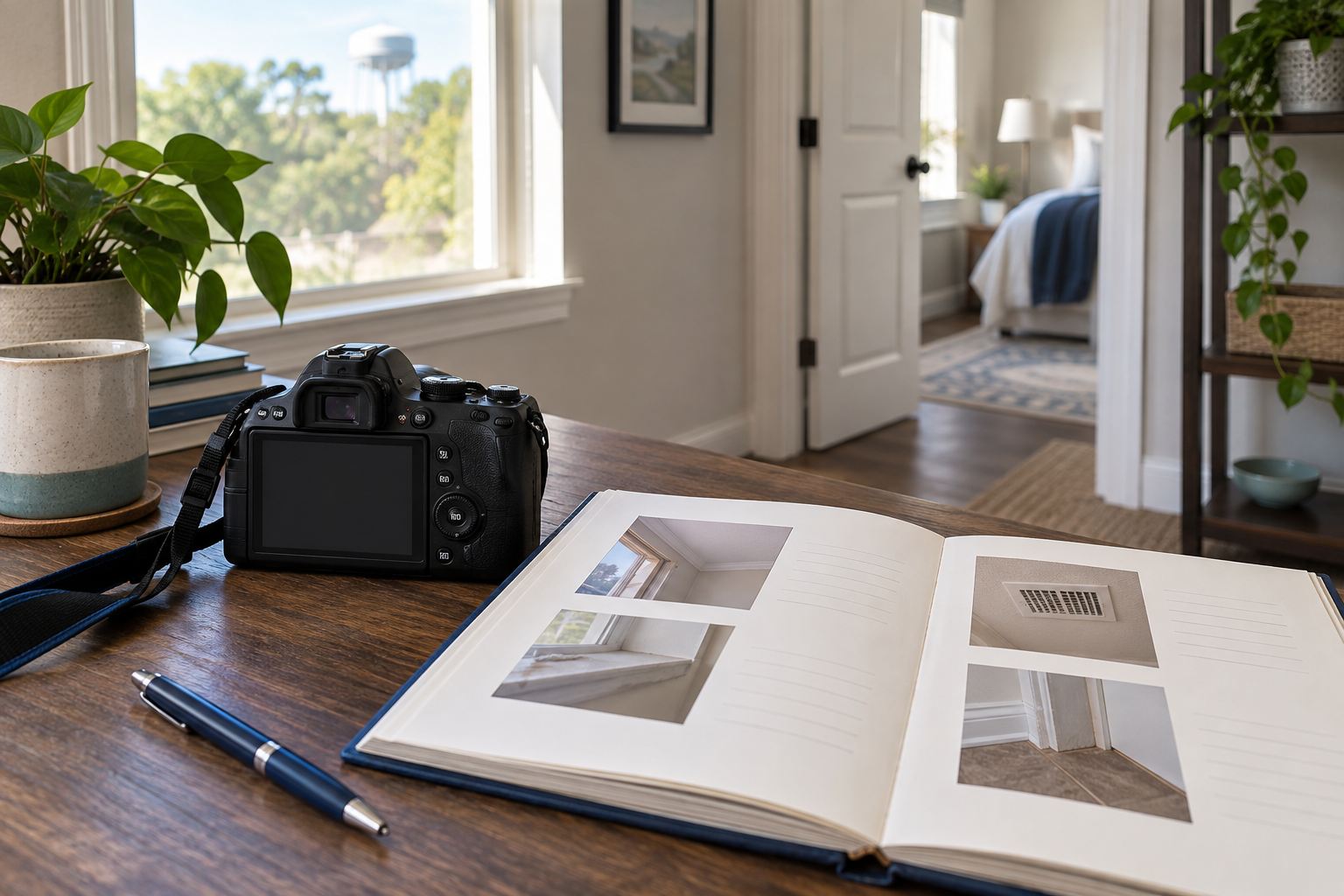
Records and photos to keep during mold cleanup
A useful mold-project file explains what happened, what was found, what work was authorized, and what evidence supported completion. It should be understandable months later without reconstructing the story from text messages. Start with a few clear photographs and a dated timeline, then add the assessment, repair, and completion documents as the project develops.
Read the guide
Moisture checks for a vacant home
A vacant home loses the daily observations that reveal a dripping connection, damp towel cabinet, or change in the AC's behavior. Remote sensors can help, but prevention still depends on someone who can interpret an alert and reach the property. Before leaving a Temple-area house unoccupied, establish a baseline, a maintenance plan, and a clear response route for water or equipment problems.
Read the guide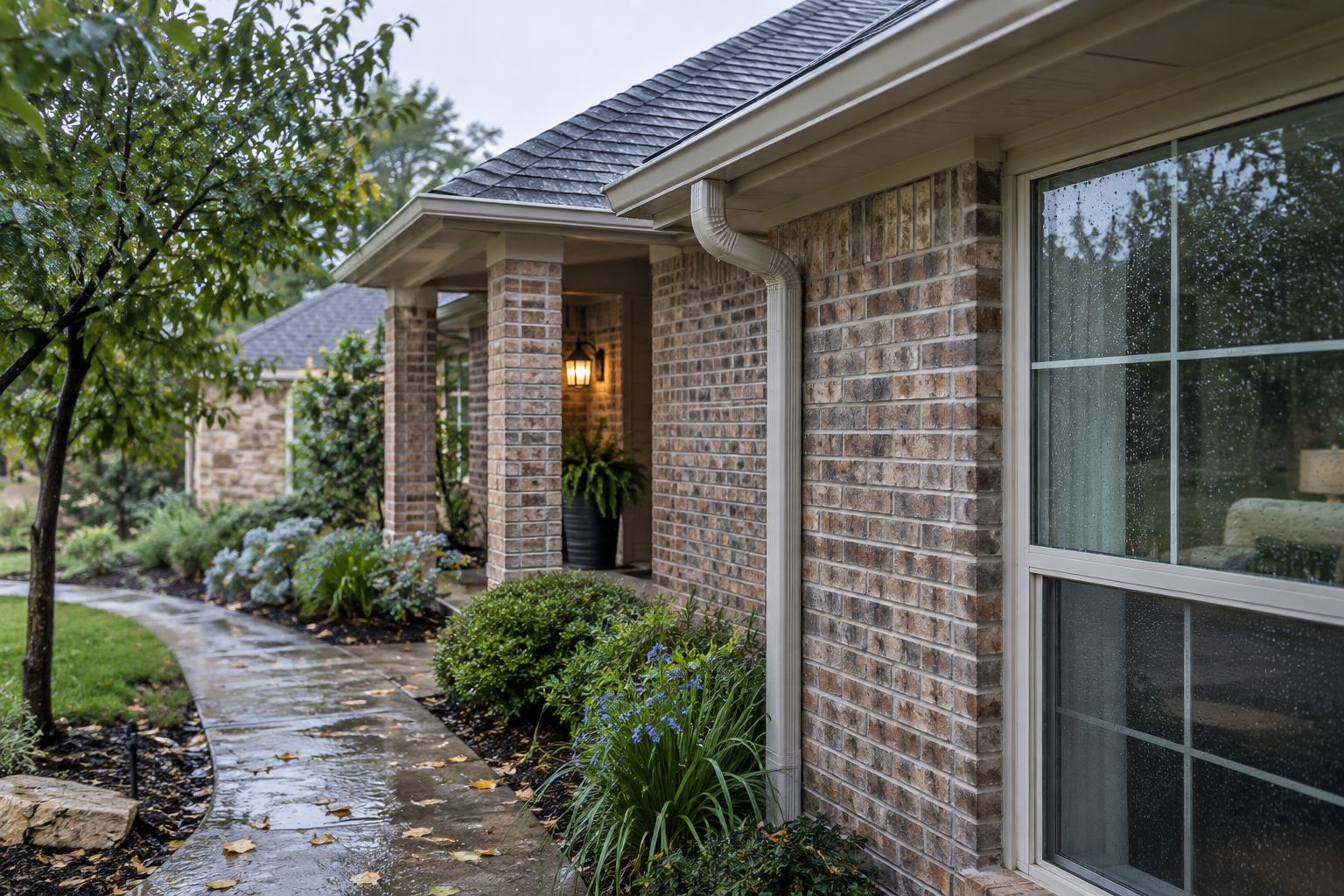
A seasonal moisture checklist for Temple
A moisture checklist works best when it follows what the house experiences: rain, cooling operation, freezing conditions, and periods when rooms remain closed. Calendar reminders are useful, but they should not replace a check after a relevant event. For Temple and Central Texas properties, build a small routine around known water paths and carry each finding through to a completed repair.
Read the guide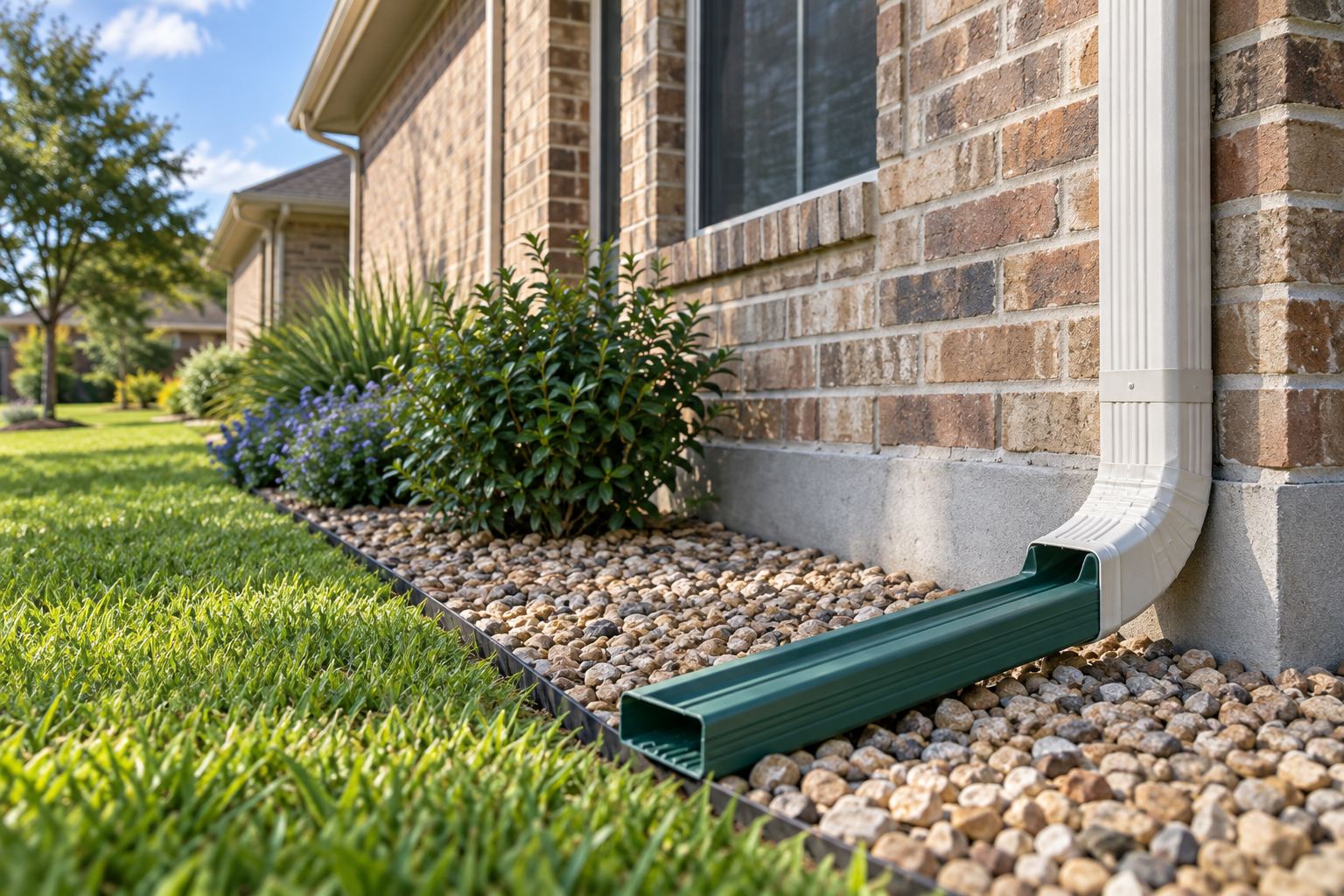
Five practical mold-prevention habits for Temple homes
A slow drip beneath a sink is easier to miss when the cabinet is full, and a repaired ceiling is easy to forget once the stain has been painted. Prevention works better when moisture checks become part of ordinary routines. These five habits focus on noticing a change, making the appropriate correction and confirming that it continues to work.
Read the guide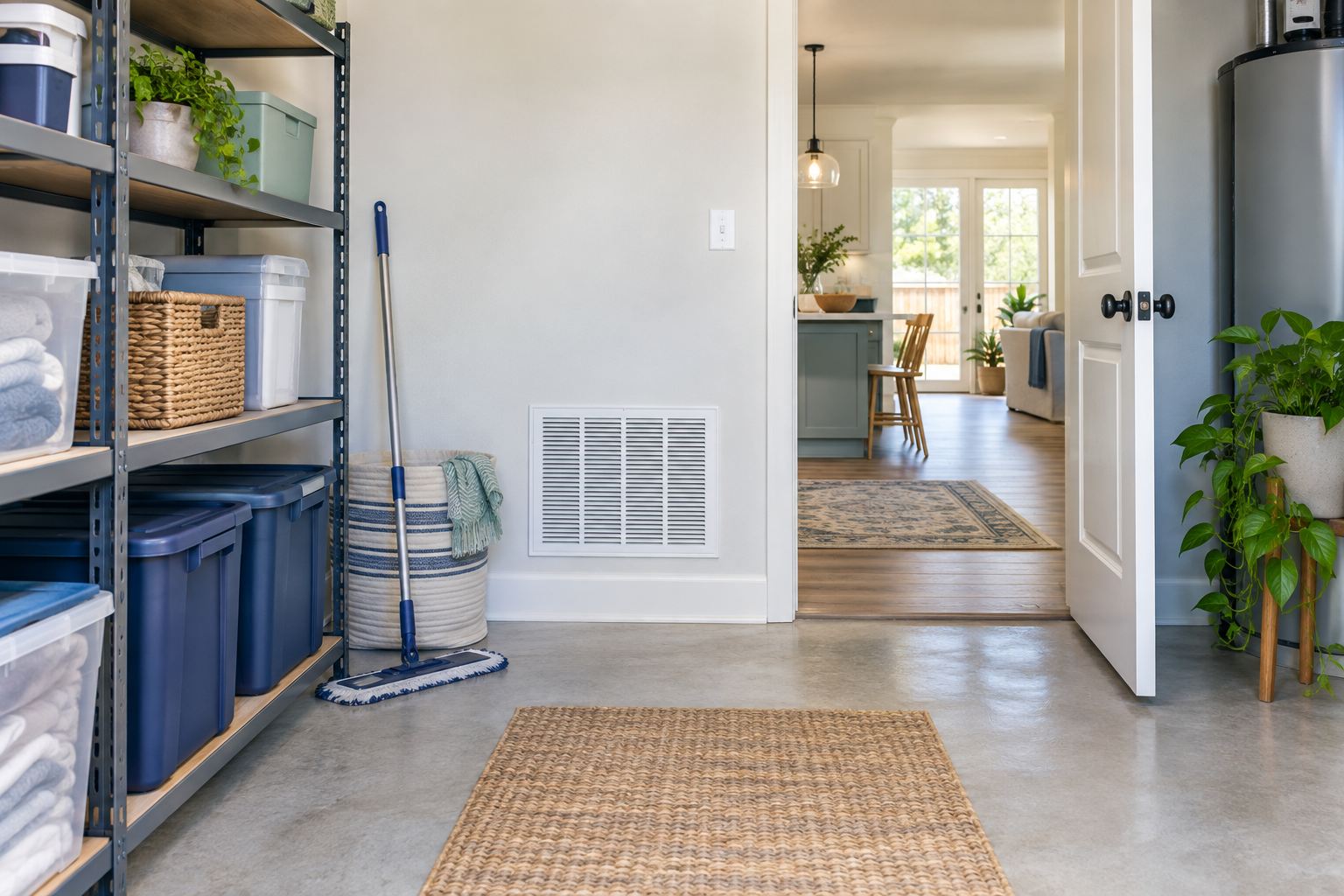
Ten moisture checks for a more useful home-maintenance routine
A maintenance checklist helps only if it leads to a decision. Instead of buying ten mold-prevention products, review ten places where water can enter, collect or remain unnoticed. Use the findings to decide what needs a simple correction, a repair appointment or a more focused investigation.
Read the guide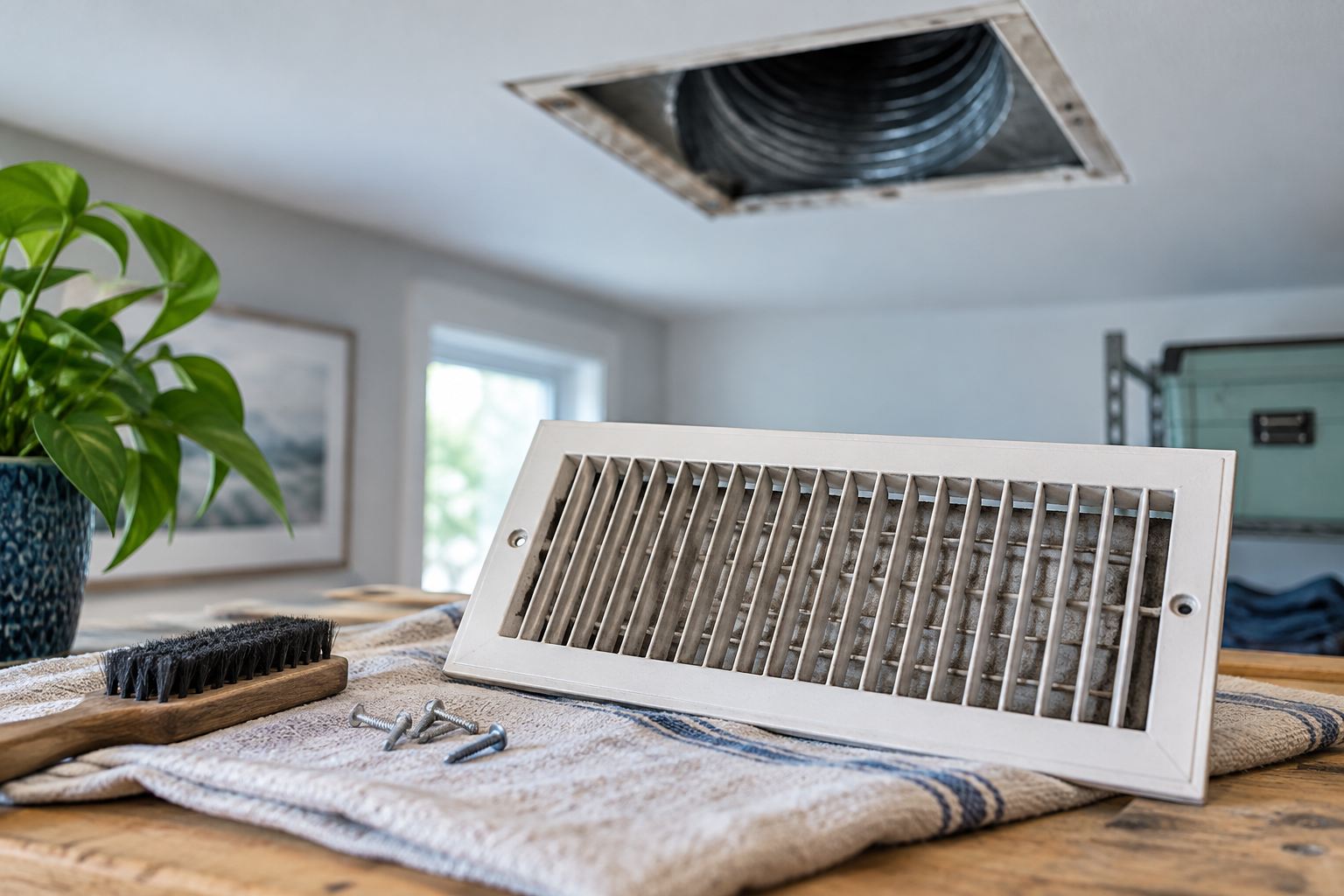
Planning an HVAC mold investigation before buying duct cleaning
A dark mark at a supply register does not explain the condition of every duct, coil and drain pan. Before approving whole-system treatment, ask where the suspected growth was observed and what moisture problem supports that concern. A useful investigation separates the visible deposit, the equipment condition and any damage to surrounding building materials.
Read the guide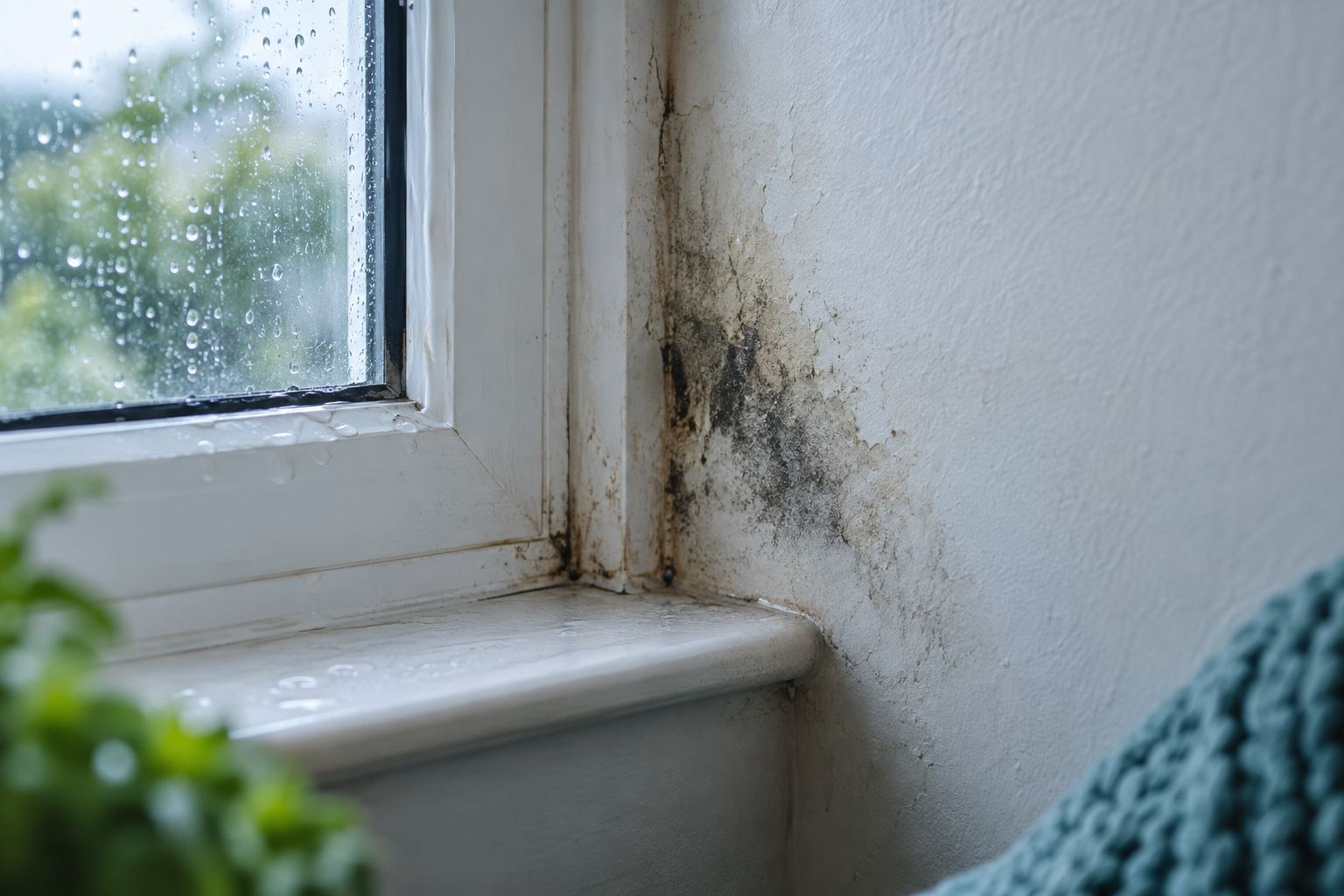
Dark mold growth: preparing for an assessment in Temple
A dark patch behind a cabinet can make it tempting to order a “black mold” treatment before anyone has examined the water problem. The useful starting point is more specific: where is the growth, what material is affected and what evidence explains the moisture? Preparing those facts helps an assessor investigate the property without turning color into a diagnosis.
Read the guide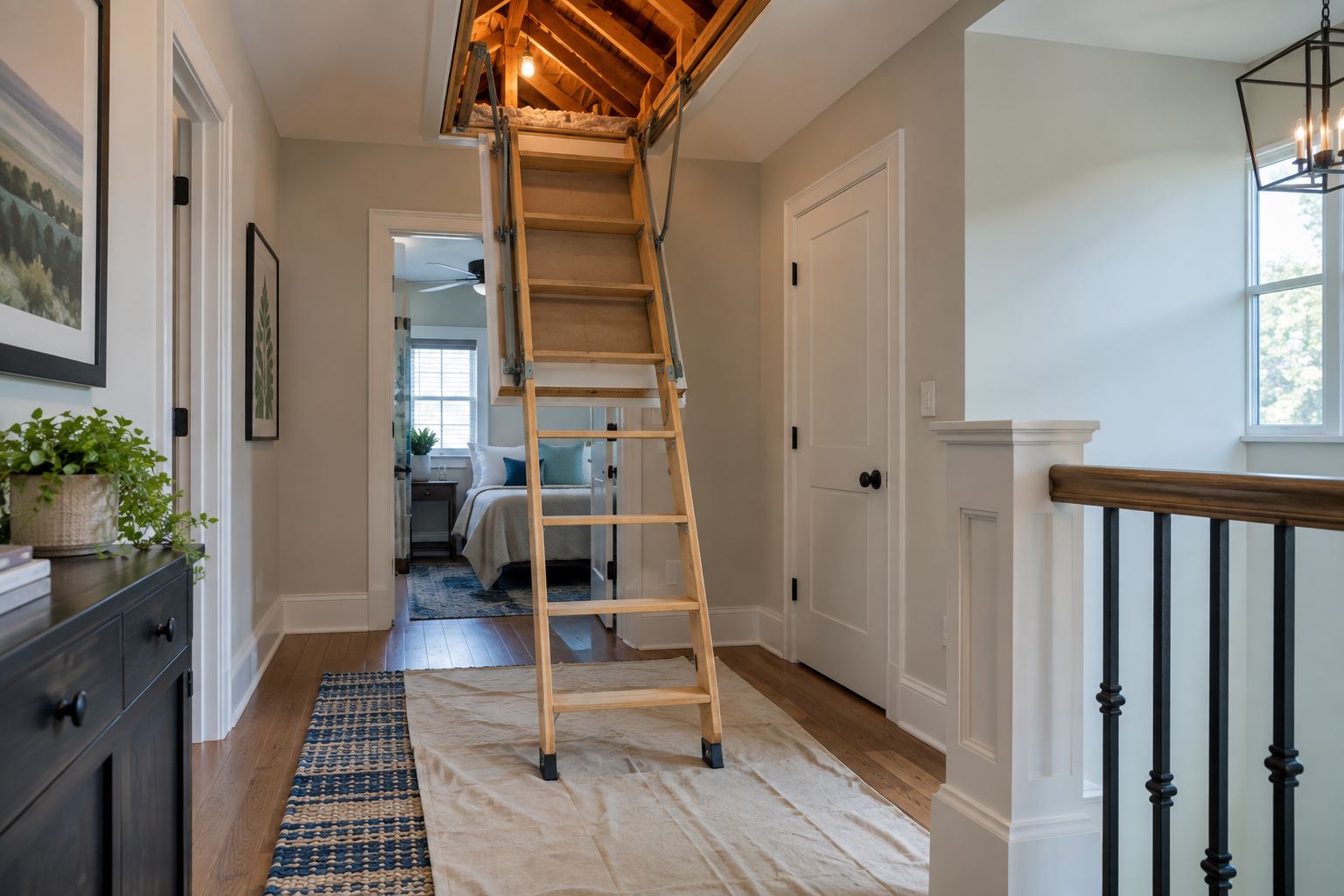
Questions to ask about an attic mold proposal
An attic proposal should explain more than how a crew will treat darkened wood. Access, moisture sources, insulation and the route through the occupied house can shape the project as much as the visible growth. Before approving work, ask the contractor to connect each proposed task to an inspected location and a documented reason.
Read the guide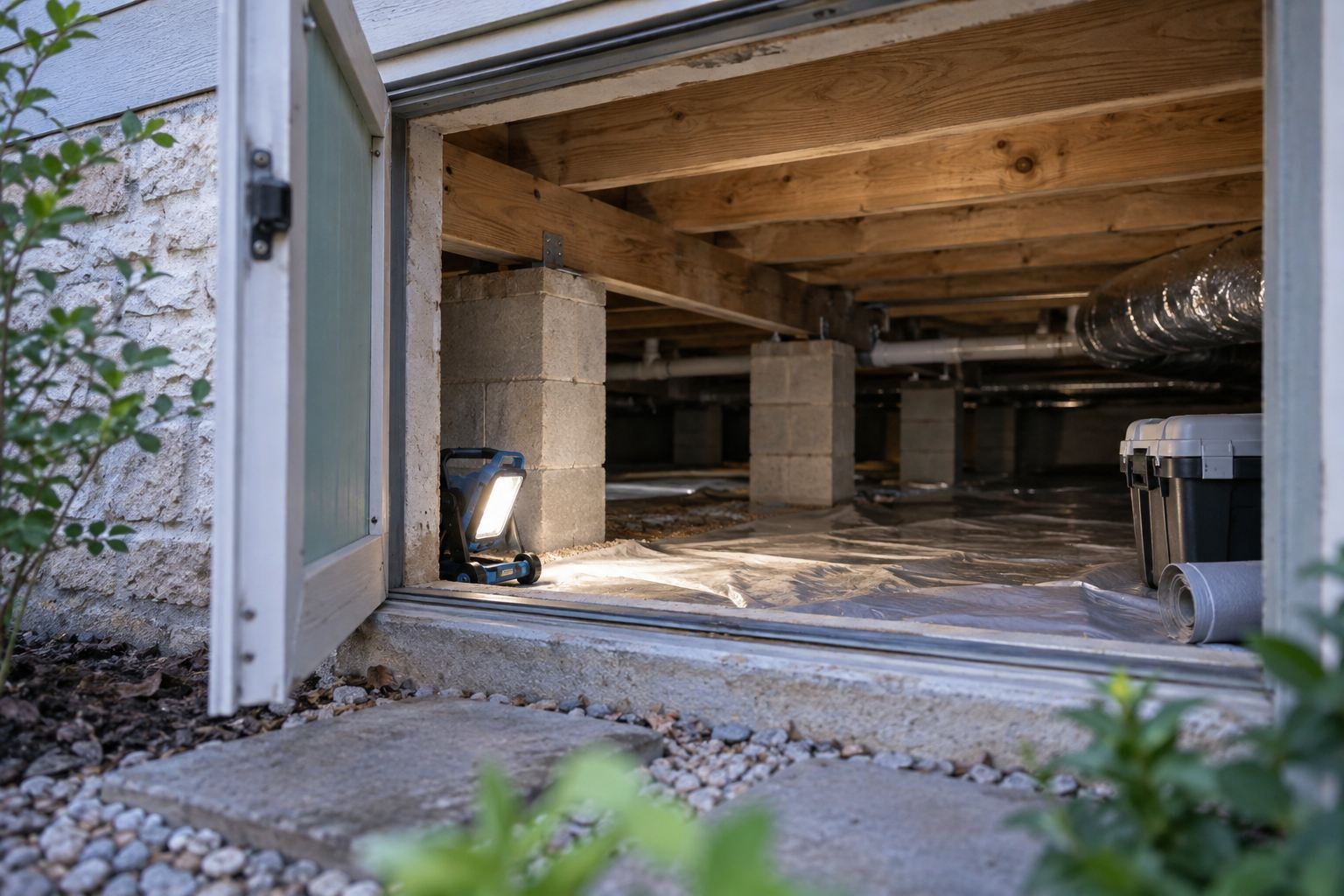
Planning access for crawl space mold work
A crawl-space project can stall before cleanup begins if the crew cannot reach the affected area or safely move material out. The access opening is only one part of the route; water, utilities, low clearance and the rooms above also affect the plan. Prepare the logistics from outside the space and ask the professionals to evaluate the conditions that require entry.
Read the guide
Finding mold help near Temple: choose the right service first
A nearby business is not necessarily offering the service your property needs. One provider may investigate moisture, another may remove affected materials, and a third may repair the leak that caused the damage. Before comparing availability, decide which question you need answered and who is qualified to answer it.
Read the guide
A Temple homeowner's guide to planning a mold project
A mold concern can quickly involve several appointments, estimates and repair decisions. The project becomes easier to manage when you separate the unanswered property question from the work already confirmed. Build a short plan around responsibilities, access, cost and the evidence needed before the next phase begins.
Read the guide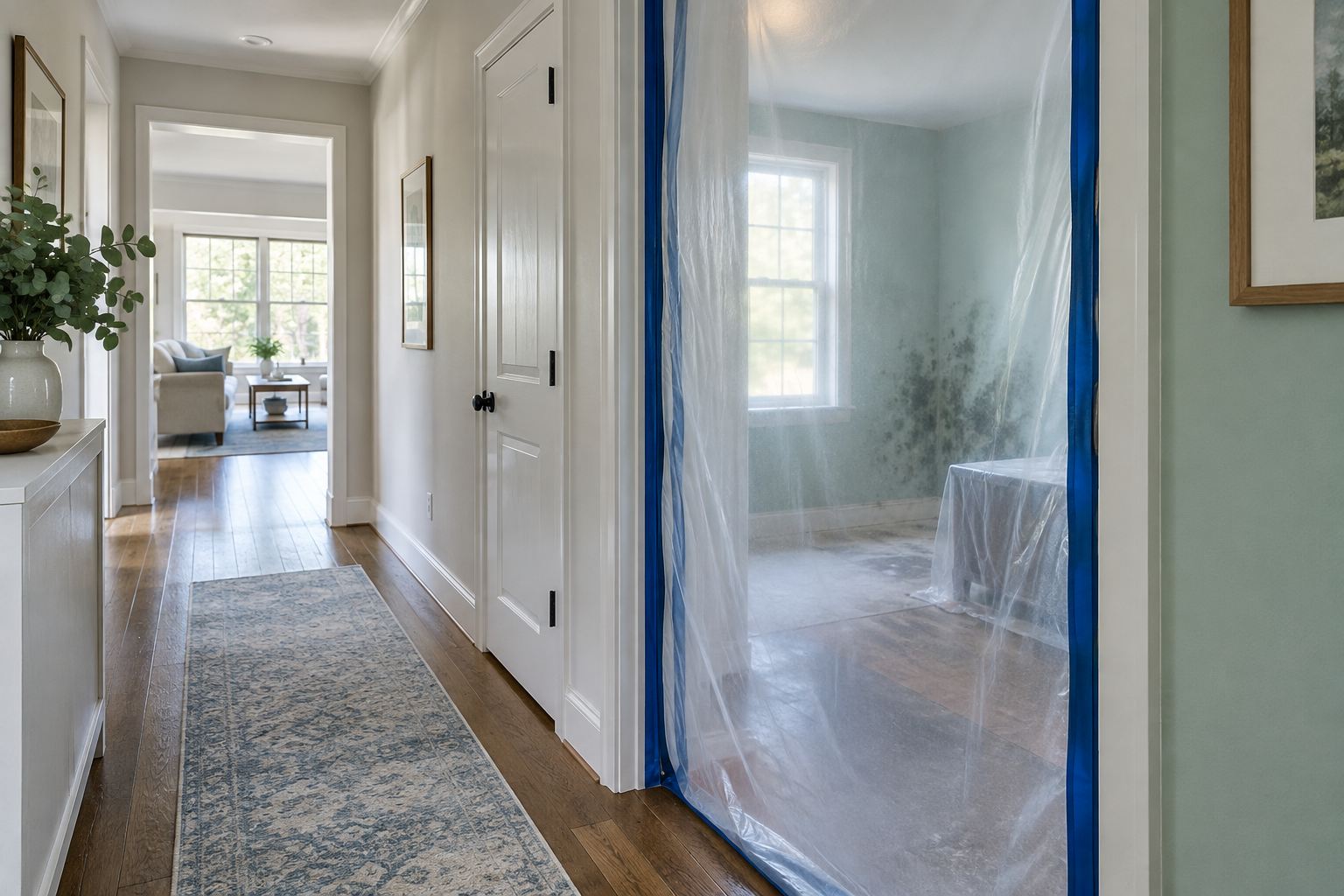
Comparing proposals for dark mold growth
One proposal recommends removing drywall, another offers a spray treatment, and both describe the problem as black mold. That label does not explain the difference. To compare the work, translate each proposal into observed conditions, affected materials, moisture correction and completion requirements.
Read the guide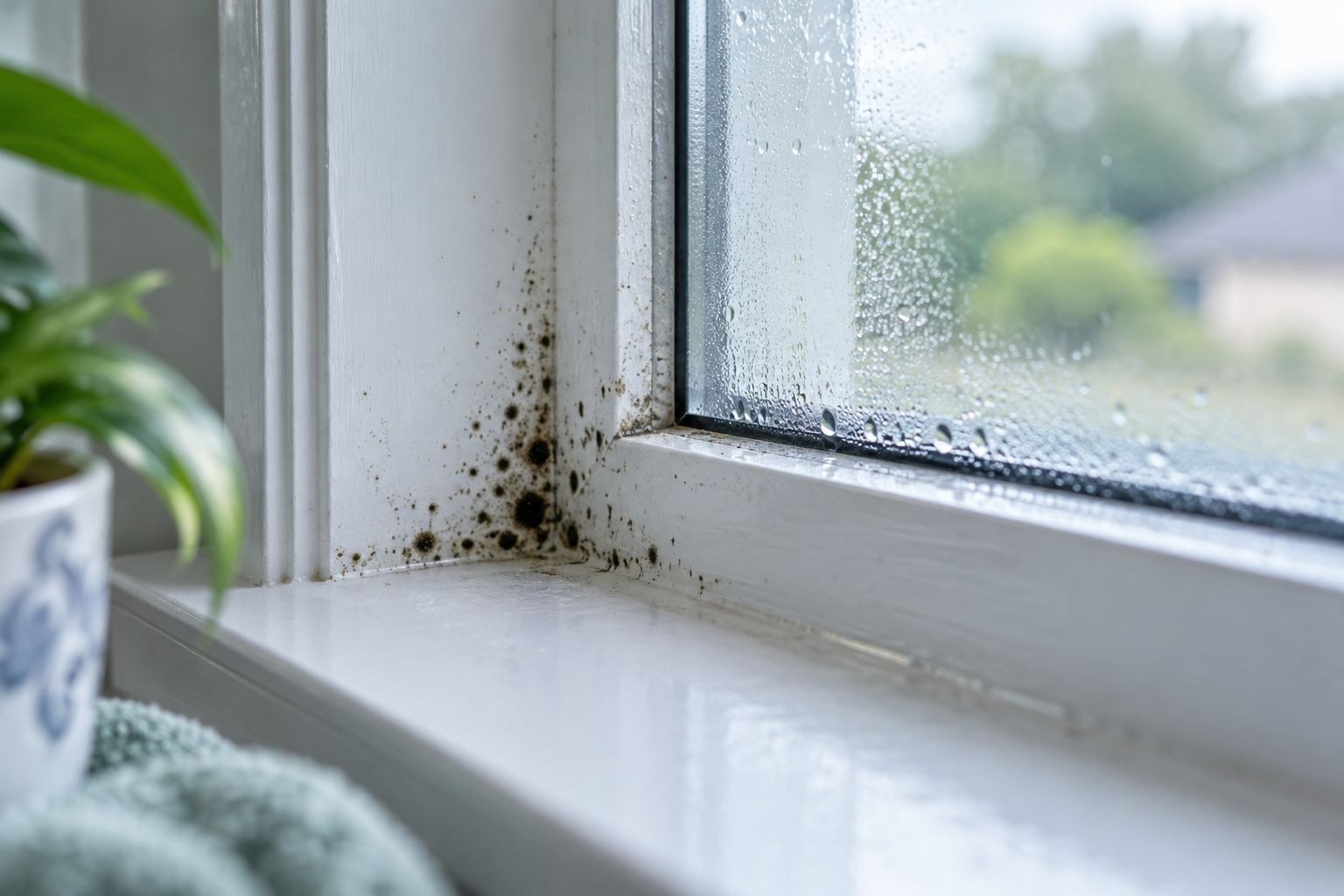
Understanding black mold without guessing about health or species
A dark patch can be unsettling, especially when someone in the household is already feeling unwell. But the color of growth does not identify its species, measure exposure or diagnose a person's symptoms. The practical response is to investigate moisture and affected material while keeping health questions with the appropriate healthcare professional.
Read the guide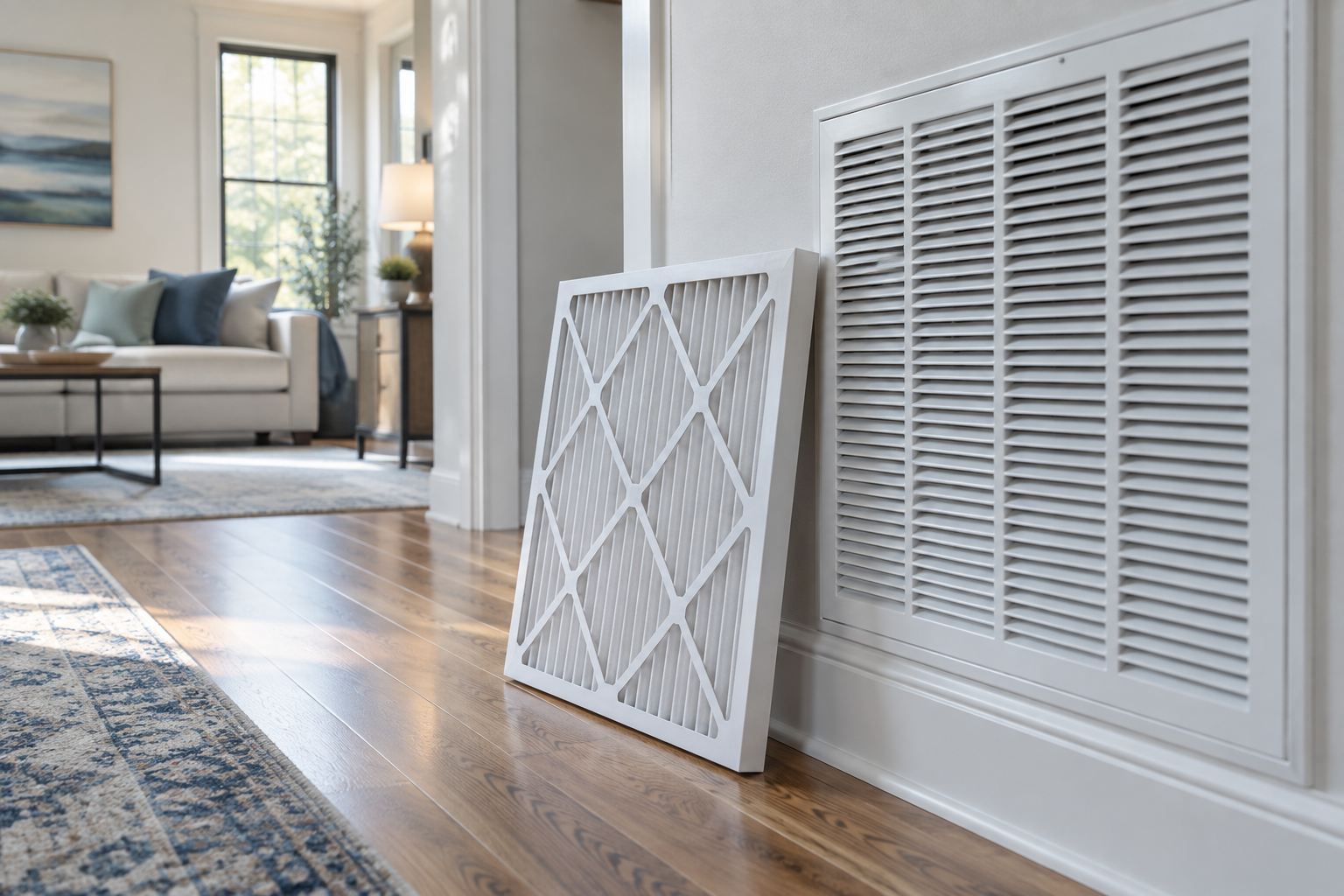
How to make an indoor-air complaint easier to investigate
A room feels unpleasant, an odor comes and goes, or someone notices symptoms at home. It is understandable to suspect mold, especially after a leak, but that suspicion is not yet a complete explanation. A useful investigation starts by recording the complaint and the building conditions separately, then examining the evidence that connects them.
Read the guide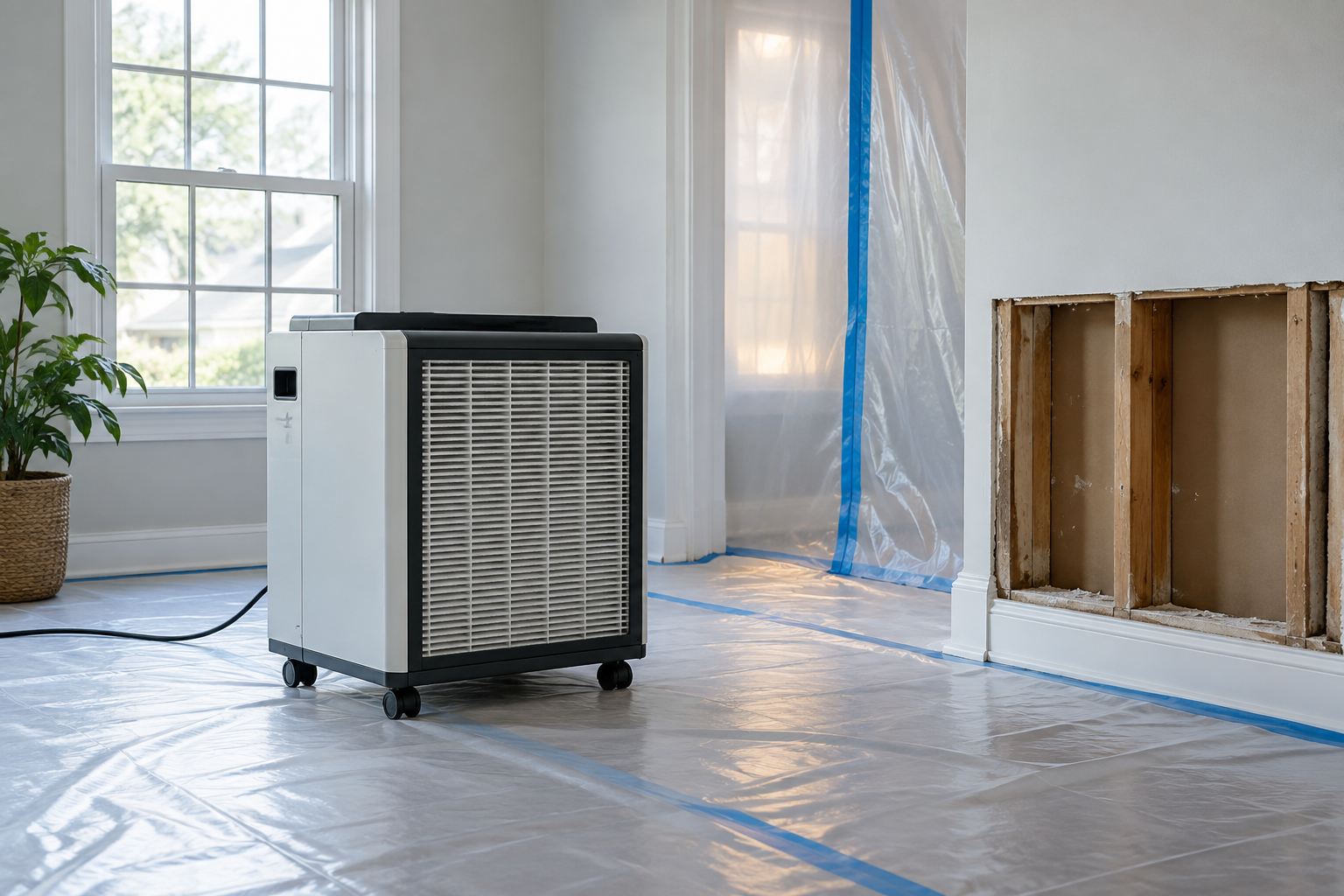
Mold removal methods: what actually makes a remediation job work?
A freshly painted wall can hide the same moisture problem that damaged it the first time. A convincing mold-removal proposal needs to explain more than which product will be sprayed: it should connect the water source, affected materials, work boundaries and completion checks. For a Temple homeowner comparing methods, that connection is more useful than a promise to eliminate every mold spore.
Read the guide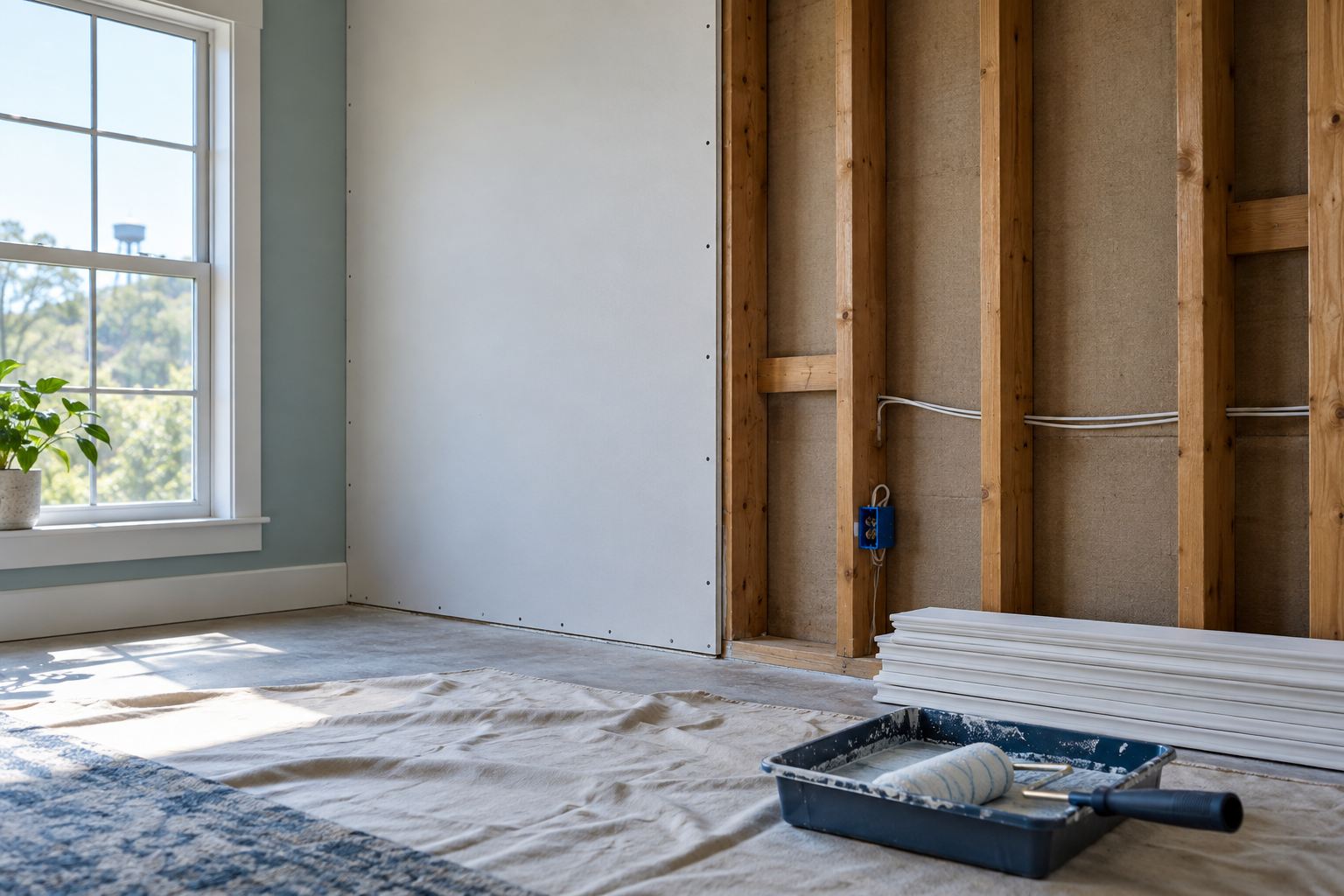
Mold removal and repair: how to coordinate the work between contractors
The damaged drywall is gone, the crew has left, and the room still needs insulation, paint and a working sink. That gap is common in project planning because remediation and reconstruction are different scopes. Before hiring, identify who fixes the water source, who handles affected material and who restores the room after the relevant checks are complete.
Read the guideNo guide matches those filters.
Try a shorter phrase or choose “All guides”. You can also call to ask about your property.
Call (713) 260-9930Useful information.
Clear limits.
Published by Temple Mold Removal Pro. Our guides explain property questions using sources such as EPA and Texas TDLR. They do not diagnose a building from a photograph or replace an on-site assessment.
Read time is estimated from the text. Source links appear at the end of each guide. Your provider can explain property-specific findings, fees and availability.
About this website →